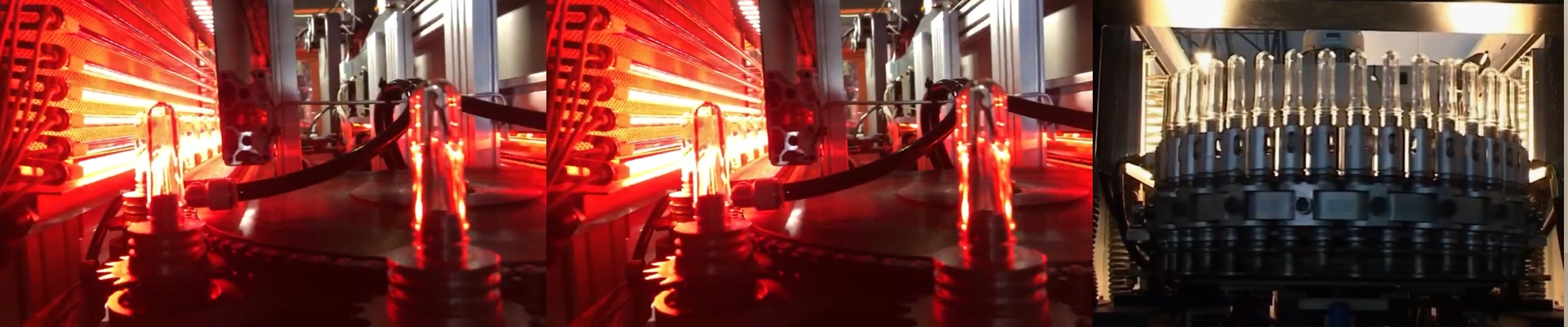

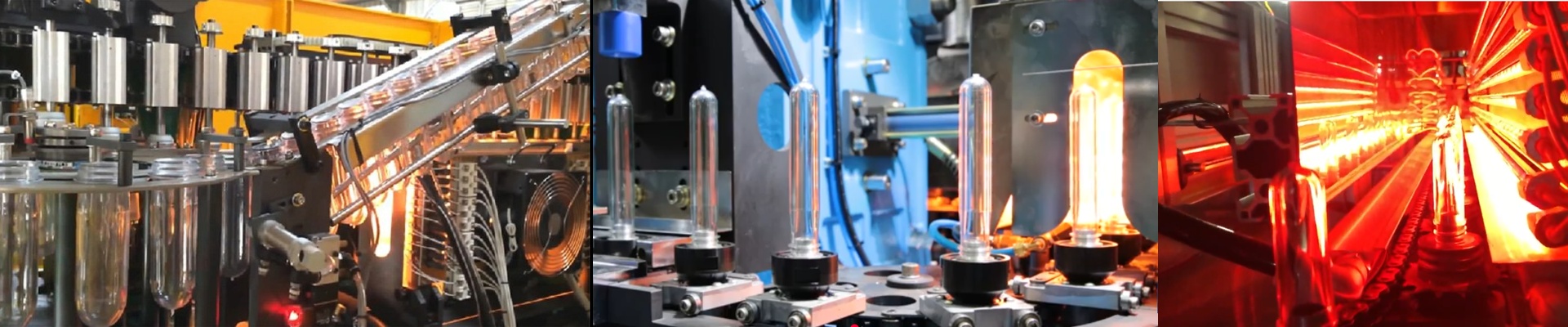
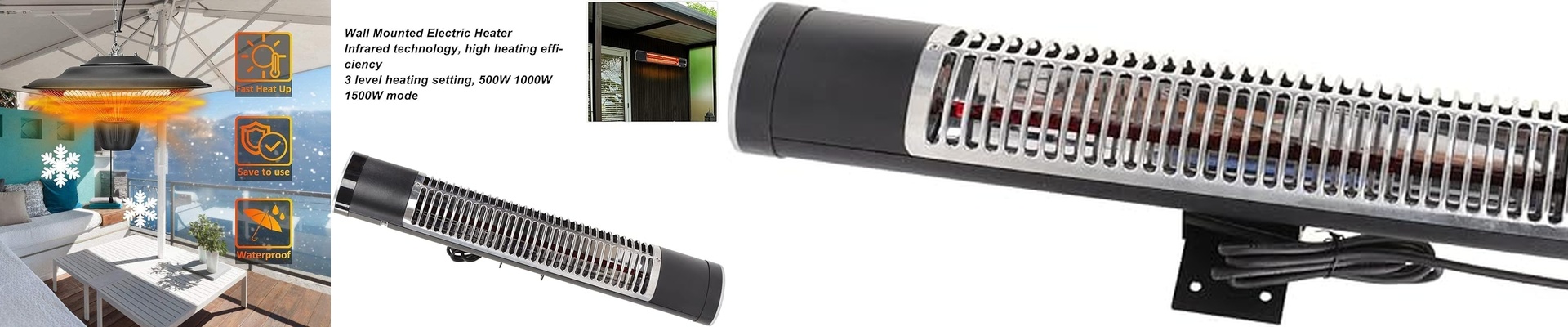

Galleries and museums can feel cold and unforgiving—still air, one stray draft, and you’re risking canvas stress, warped wood, or humidity drifting outside its safe window. Convection heat just stirs air and dust, and those temperature swings? They’re the reason conservation teams stay on edge. Infrared warmth is the clean fix. What actually matters under the hood Infrared garden heaters—electric radiant heaters, plain and simple—deliver heat the sun’s way: direct, line-of-sight, with no moving air. In practice, a quartz tube or carbon fiber element throws short- to medium-wave infrared that warms people, floors, and display cases immediately, while the surrounding air stays steady. Add a low-glare reflector and a thermostat that holds the target within ±1°C, and you get even comfort without hot spots. For conservation spaces, keep your eye on surface temperature control, low radiant intensity, and zero combustion byproducts. Why it clicks in these rooms Museums need heat that respects the collection. Infrared heaters warm objects and visitors directly, so you can run the ambient temperature lower and more stable—fewer risks of cracking, delamination, or microbial growth. No fan means less air movement to kick up particulates, and humidity is easier to keep on a leash. The room feels quieter and cleaner, and staff and guests stay comfortable while delicate materials stay protected. The practical bits you can’t skip Infrared needs line-of-sight. If you’re ceiling-mounting, position units to avoid glare on glass and reflective frames—aiming angles matter. Installation calls for dedicated circuits, and depending on local codes, you’ll want professional wiring. Infrared won’t heat the air, so very drafty spaces may need supplemental control. Plan coverage with even spacing, and make sure the heater’s IP rating matches the environment.