The 0.1mm Gold Coating: How We Built an Infrared Heater That Actually Stays on Target
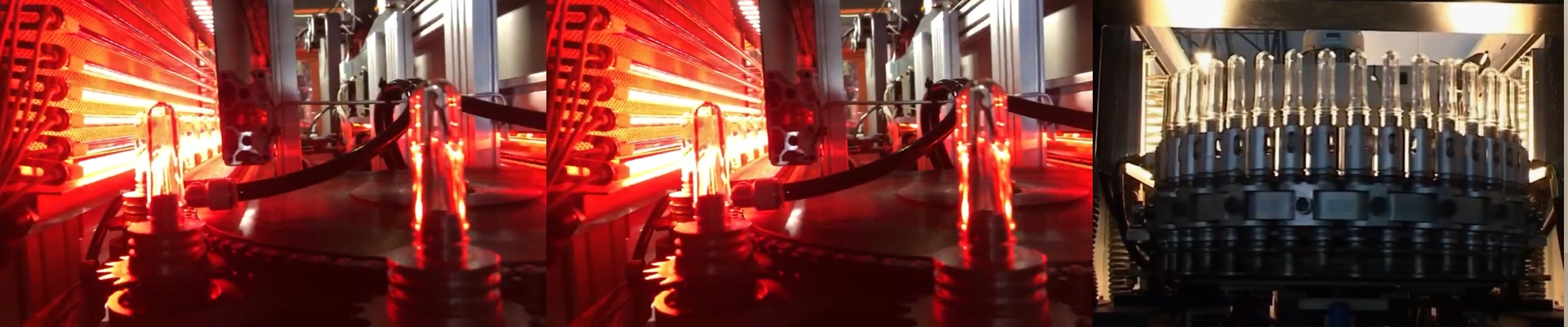
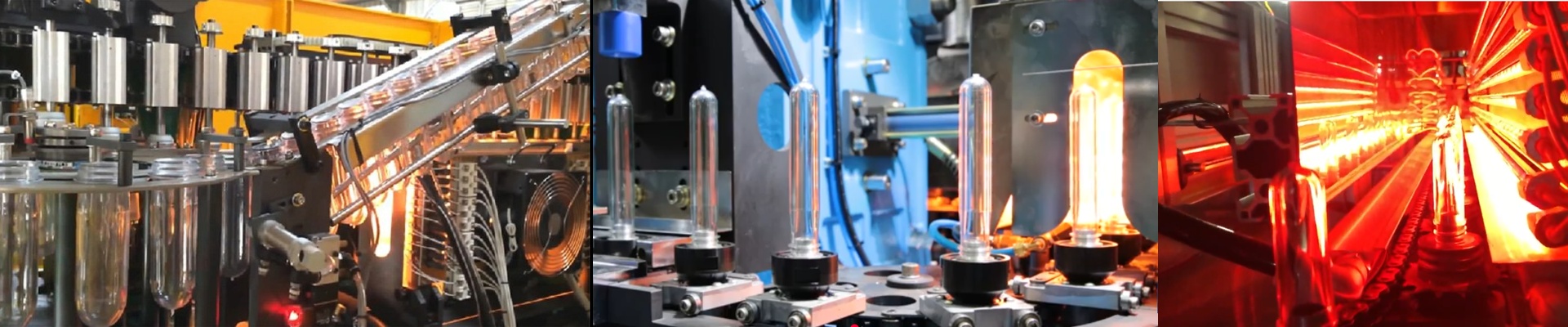
We built this custom infrared heater for engineers who hate guesswork. The whole project came down to one thing: keeping the gold coating thickness within a 0.1mm window. That single requirement set the tone for every other decision we made.
Power, Voltage, and Size—Built for the Real World
We didn’t design this thing around a spec sheet. We designed it around what your plant actually throws at it. So we matched voltage and wattage to the machine footprint, not just the outlet. The tube dimensions are fixed on purpose—so it slides into tight enclosures without forcing you to rework your line. This isn’t a one-size-fits-all approach. We tuned the power density so the heater gets to target temperature fast. But we also thought about what that heat does to nearby parts. When you pack this much heat into a small space, airflow and thermal management have to be part of the plan.
The Gold Coating—Why It Matters, and How We Keep It Consistent
The gold coating is the heart of the infrared control. It reflects specific wavelengths back into the filament, which helps stabilize temperature and cuts down on drift over time. But hitting that 0.1mm tolerance isn’t accidental. It takes tight control during deposition—uniform substrate temperature, controlled line speed, and in-process measurement. The quartz envelope handles the shock of rapid on/off cycles and keeps mechanical stability. And we went with an R7s connector because it gives you a secure, high-temperature connection that can be installed and removed quickly on the shop floor.
Precision Heat for Engineers Who Need Repeatability
This heater is for the work where consistency isn’t optional—custom branded units, production cells, and equipment that has to stay inside strict thermal windows. You get a drop-in heating module that delivers consistent output, so your control logic doesn’t have to chase variance. The footprint is compact, so it fits where space is tight. And the mounting is built to handle vibration and thermal cycling. Just one heads-up: high heat density means your cooling strategy needs to be properly sized. If your enclosure runs hot, plan your airflow and heat sinking before you wire it up.