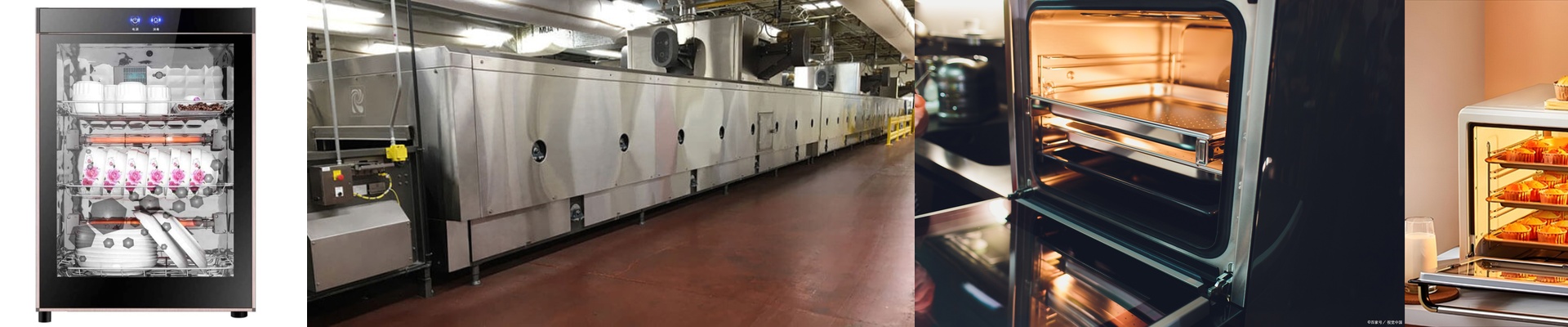
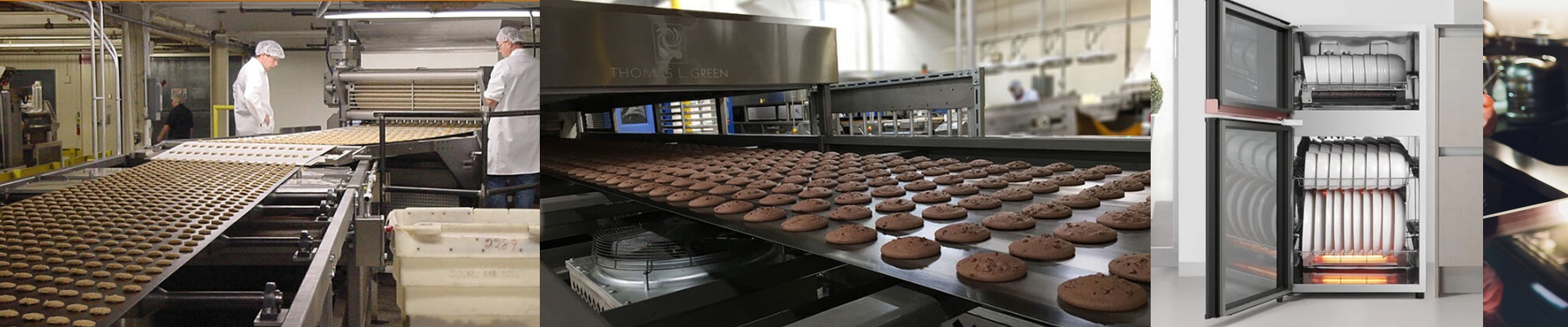
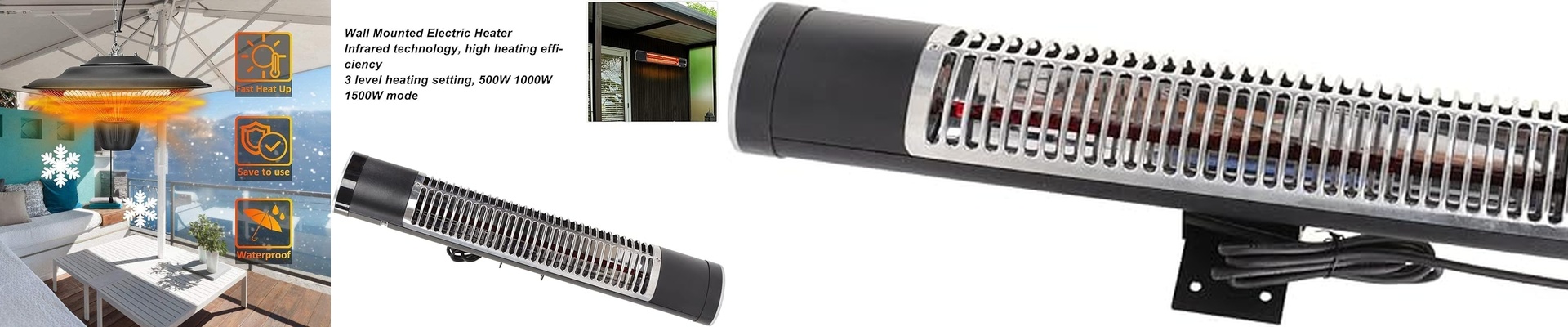
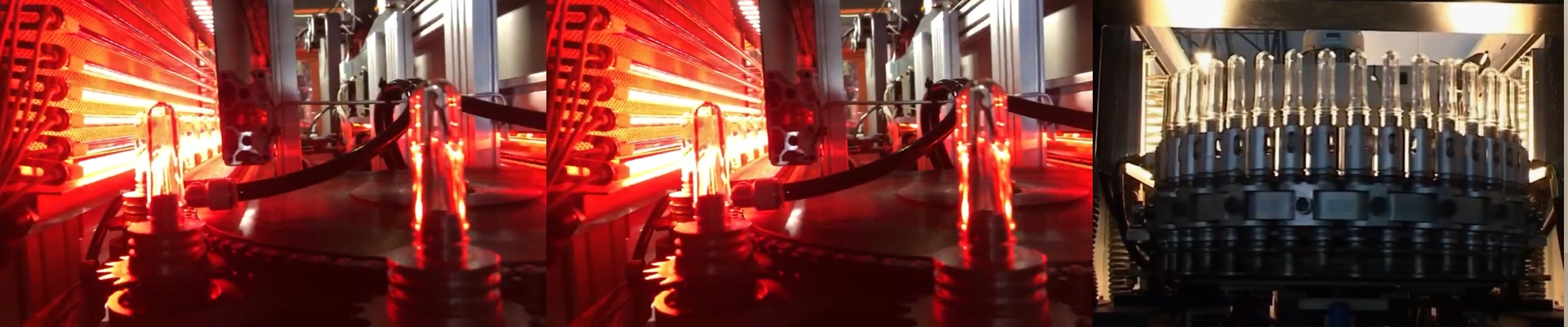
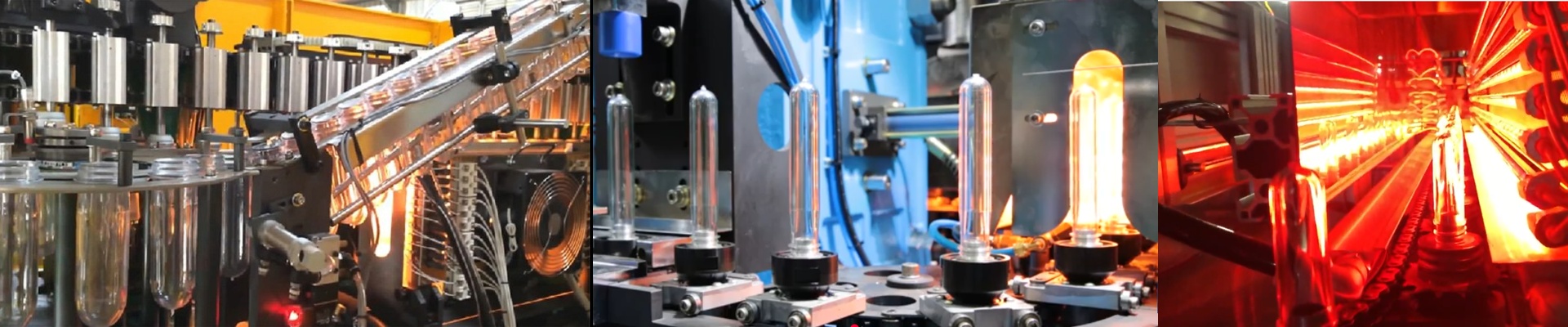
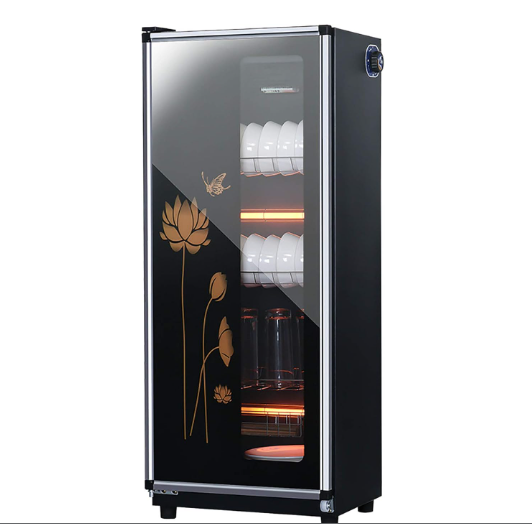
When the ticket queue backs up and the oven door is swinging nonstop, heat has to show up the second you call for it—no hesitation, no second-guessing. If your heating elements are lagging, bake times creep, crust color falls flat, and hot spots start showing up on the deck. We built our IR tube heaters to cut through that. They hit temperature the instant the thermostat asks, then hold steady without chasing the setpoint. What’s actually happening under the hood Our IR tube heaters lean on quartz or halogen emitters to put out short- to medium-wave infrared. The heat goes straight to the target, not the air around it. That means almost no warm-up and no thermal lag—just fast response and tight control that stays close to the setpoint. The tube layout spreads radiant heat evenly across the target area, which helps prevent shadows and uneven heating. The specs are straightforward: common 240–480 V setups, solid terminal blocks, and mounting that fits standard brackets. In sanitation cabinets, the same approach brings surfaces up to disinfection temps quickly, shortening the cycle and cutting idle energy. Where this shines in the shop On a deck oven, that stone hearth needs heat fast and repeatable so you hit the same floor temperature every service. In a rotary oven, pans roll in at different times, and the heating system has to adjust without overshoot. In a convection oven, you can pair IR with airflow to push surface browning while keeping the interior tender. And in a disinfection cabinet, quick heat-up translates to faster turnaround, with temperatures that hold steady for reliable sanitation. You end up with shorter bake windows, more even caramelization, and far fewer temperature swings between bakes. You’re not wasting energy heating empty air and waiting around. The details that keep you out of trouble IR tubes deliver heat where you aim them, so placement matters—mount them to avoid shadows and keep the clearances right. Keep the tube surface clean and dry; they don’t like oil and cleaning spray residue. Match voltage and connector type to your cabinet or oven, and make sure your thermostat can handle the load. With a proper install, these heaters run for the long haul, but they do need routine checks on the tube, socket, and wiring.