
When Heat Has to Be Fast—Like, Now Fast
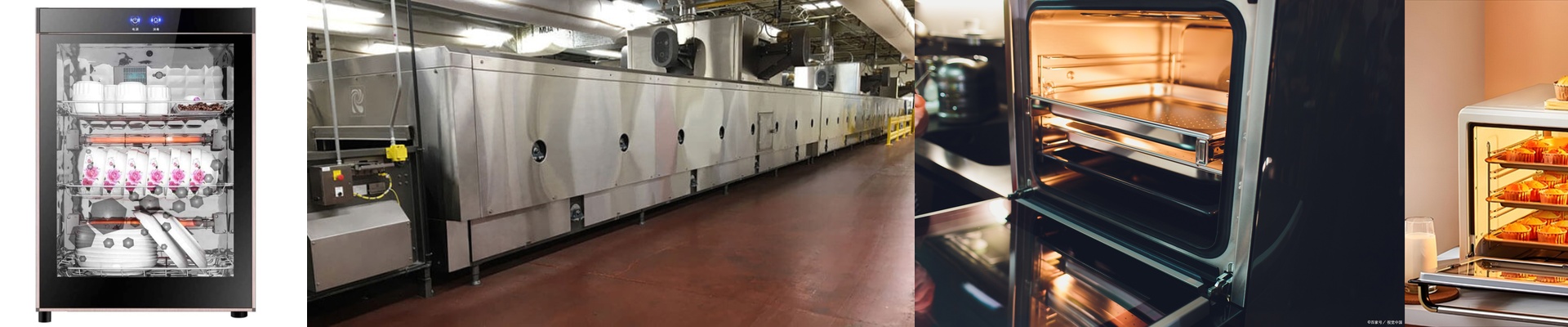
If you’re running a food display case, you know the drill: you need to keep things clean, right now, without slowing down service. Most heating elements just can’t keep up. So we built a halogen heating element that gets hot in seconds, not minutes. Because in a cabinet, speed is everything. The whole point is to hit high heat before bacteria even get comfortable. That’s what this element was made to do.
The Inside Story: Power, Voltage, and a Small Package
This is a high-voltage halogen element, usually spec’d at 400V, with the muscle to jump to operating temperature almost instantly. It’s 300mm long, and the tube is slim—designed to slip into tight display-case spots without giving up wattage. We size the power to match the chamber and the airflow. Pack a lot of wattage into a short space, and you get serious heat density. That means faster warm-up, and faster recovery when the door opens and closes. Now, the trade-off: high power density means more ambient heat. So your cabinet’s ventilation and heat sinking need to be ready for it.
Why Halogen, Why R7s
The element uses a quartz envelope with a halogen fill. Quartz handles sudden temperature swings without cracking, and it stays steady even when you’re switching on and off fast. The halogen cycle keeps the filament stable at high heat, so the output stays consistent and you don’t get that blackening over time. The R7s connector isn’t fancy—it’s just practical. It makes solid contact, carries high current safely, and locks in without wobble. That reduces hot spots at the terminals and turns replacement into a quick, drop-in job.
How It Performs in the Real World
In food display cases, the goal is fast, repeatable sterilization cycles. This element hits target temperature in seconds, so you can run short, aggressive heat pulses without cooking the product. You get quick heat-up, a stable temperature, and easy service. The footprint fits standard fixtures, and the R7s connection keeps wiring straightforward. One reality check: rapid cycling is tough on any component. Keep the element within its rated voltage and duty cycle, and match the controller to the thermal load. Do that, and you’ll get dependable, fast heat—exactly what you need for display-case sanitation.