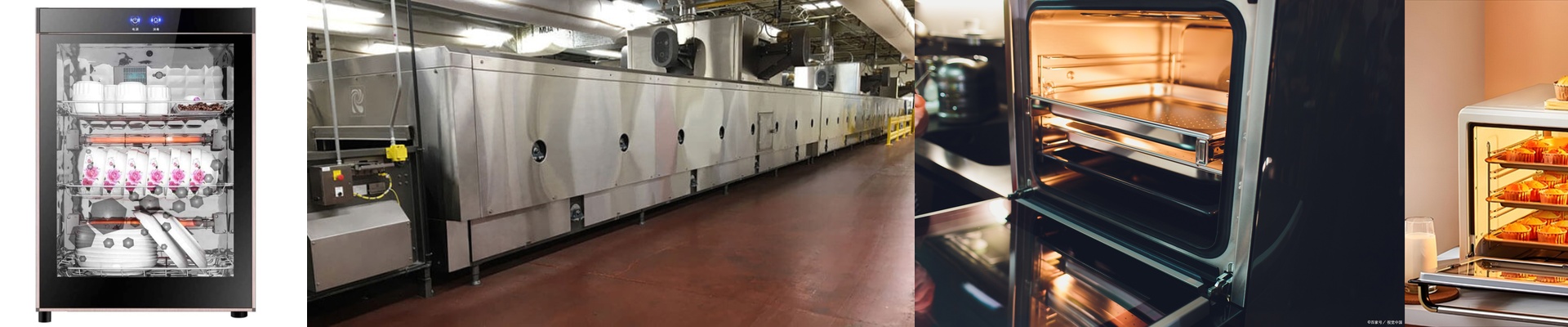
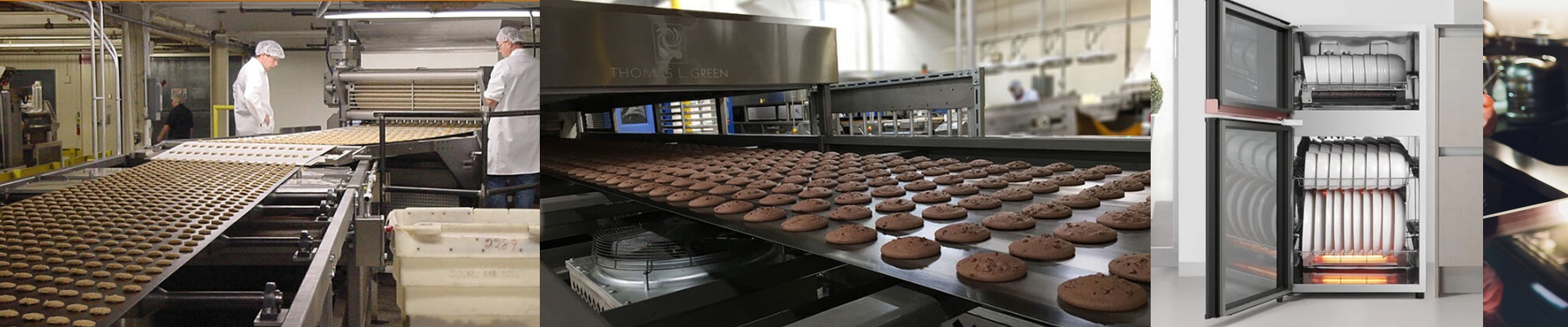
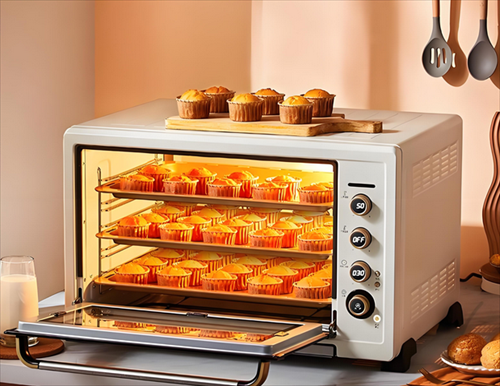
When your deck oven is tasked with hitting 400°C on the stone hearth and holding steady through a 90-second snack bake, heat response is the line between a crisp, even crust and a batch that’s all over the map. If the oven takes too long to recover or drifts off temperature, you’re bleeding time, quality, and money—and you see that last part every month on the utility bill.
What actually matters under the hood
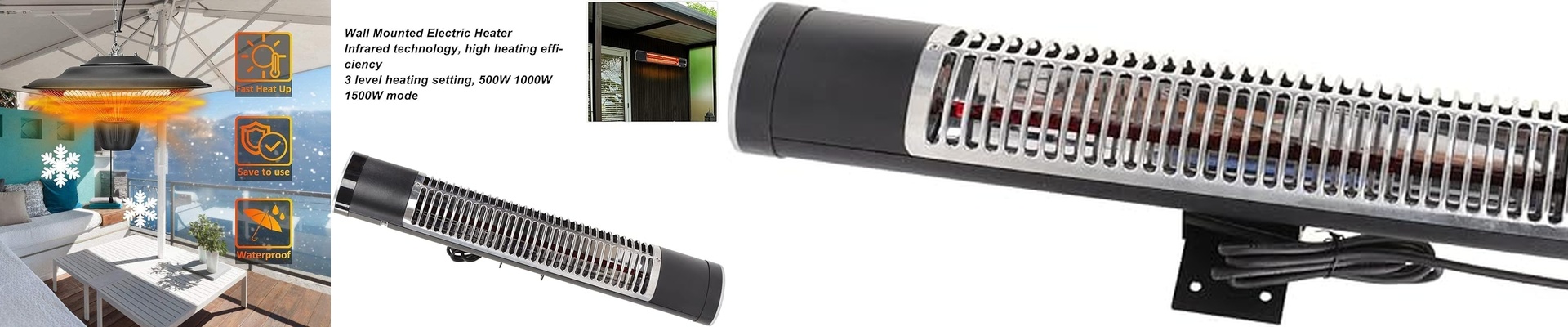
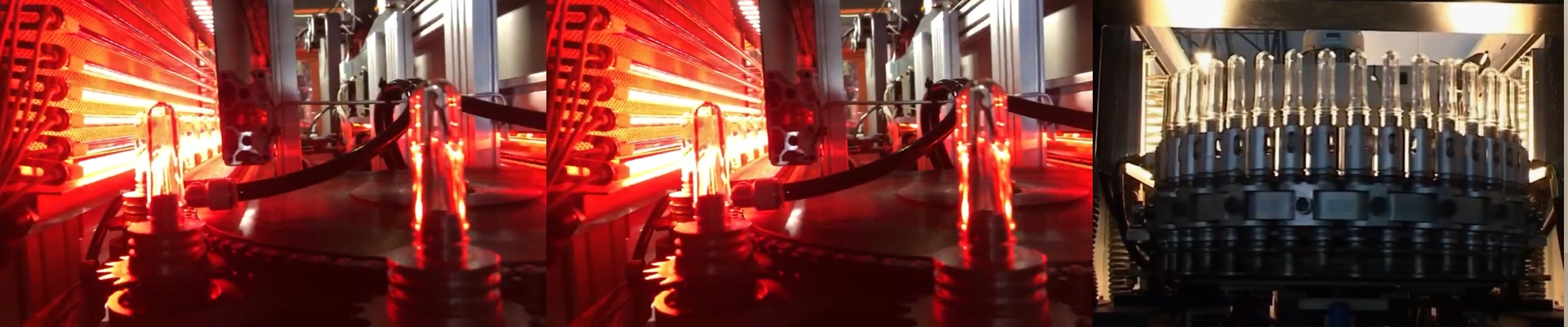
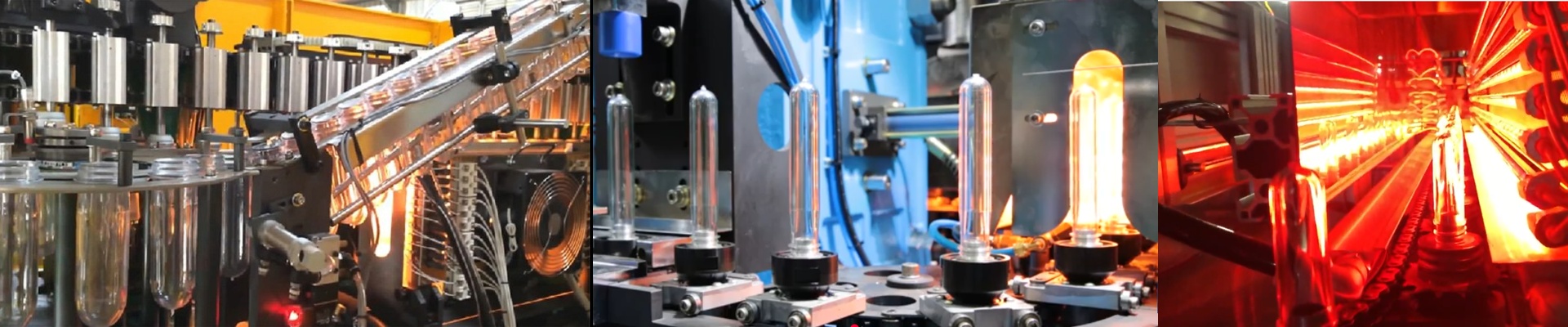
We’re using a carbon fiber infrared emitter that delivers short-wave IR with a quick thermal response, so the baking chamber snaps back to setpoint fast after you load. In real-world terms, that means less idle time between bakes and tighter temperature control throughout the cycle. The carbon fiber filament runs on low current while still producing high radiant intensity, so the heat lands where it needs to—right on the product surface—without pushing the whole oven into an overdriven power draw. You get rapid heat-up, consistent output across the length of the emitter, and a clean thermal profile that keeps caramelization and browning repeatable.
Why this fits snack production
In snack work, speed and consistency aren’t separate goals—they’re the same thing. Faster recovery shortens bake time and boosts throughput without turning the oven into a temperature rollercoaster. The payoff is more consistent color and texture, batch after batch, which means less rework and fewer stops on the line. At the same time, the lower current draw per unit of radiant heat helps keep energy use per bake cycle in check. That turns oven runtime into an operating cost you can manage, not a guess you have to live with.
What to watch for on install and in the field
Install is straightforward, but the emitter has to be matched to your oven’s voltage, mounting geometry, and control method. Double-check terminal rating, lead length, and clearance to nearby surfaces—radiant heat needs proper spacing to avoid hot spots and to keep wiring protected. In high-use environments, plan for routine inspection. Carbon fiber emitters hold up, but like any heating element, performance comes down to clean connections and stable mounting.