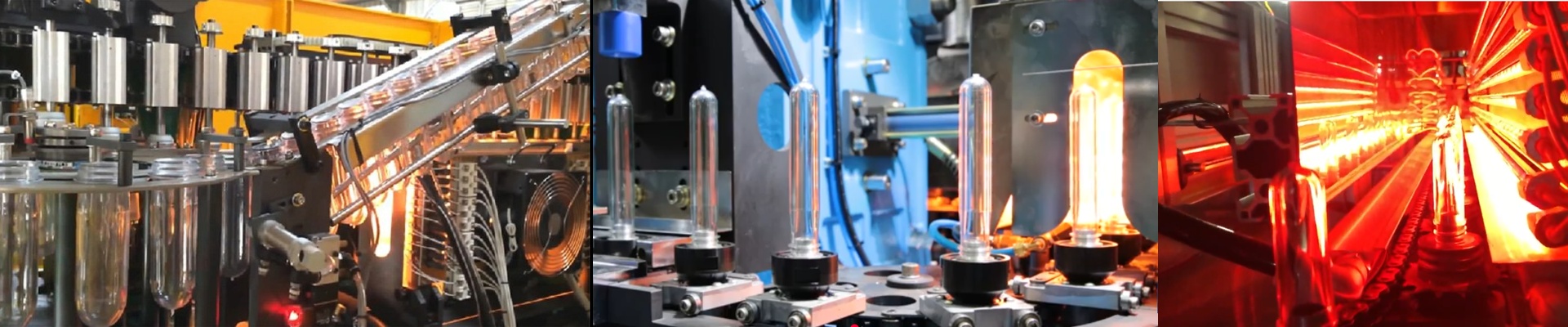
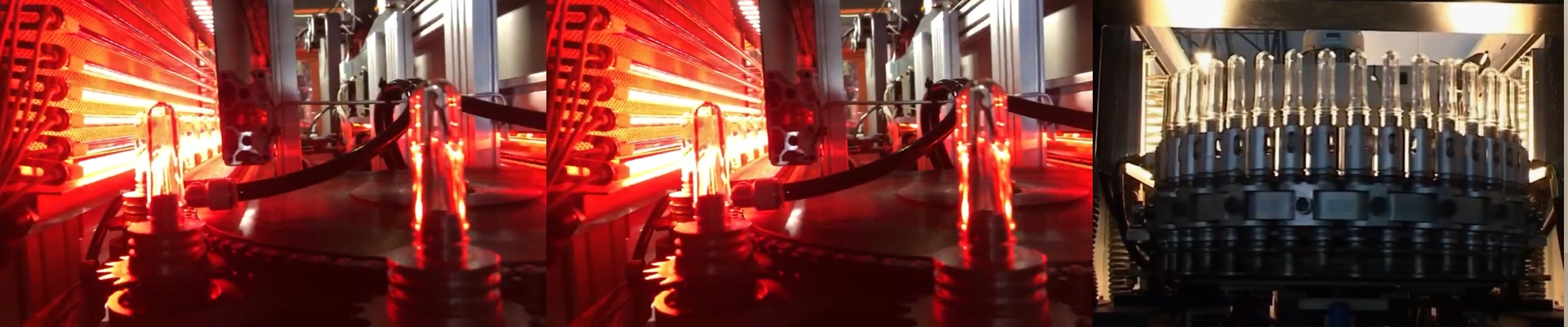
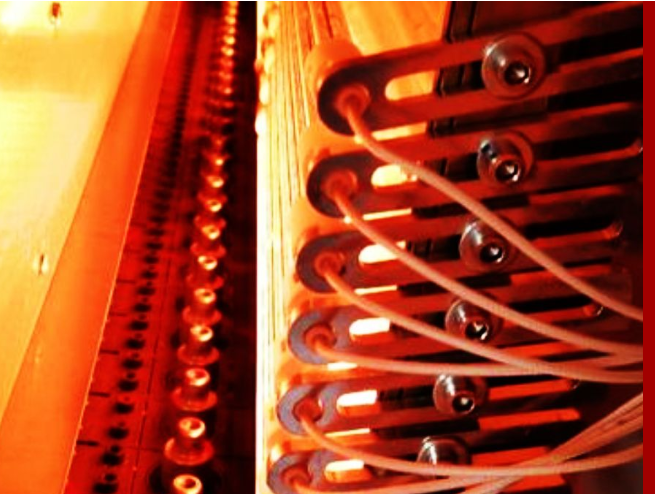
On the blow molding floor, uneven preform heating is a one-way ticket to scrap. You get hazy bottles, walls that run off-center, and the blow molder constantly chasing stable cycles. The bottleneck is the heating tunnel, and the energy pattern is set by the reflector. What actually matters under the hood We build the infrared lamp reflector for PET to deliver repeatable radiant heat inside the blow molding tunnel. It runs with short-wave halogen emitters and uses a high-reflectivity parabolic profile that sends stray IR back onto the preform surface. The geometry is tuned to a tight focal band, so the preform neck stays cool while the body gets even energy. Specs are matched to common OEM footprints: R7s connectors, 120–240 V options, and quartz or ceramic mounts that can take the heating tunnel’s thermal cycling. Output holds steady over 5,000+ hours, with less than 5% drop in irradiance. Why it fits your line If you run Sidel, Krones, SIPA, Husky, SACMI, or Nissei ASB stretch blow molding cells, this reflector drops straight into those heating modules with 1:1 dimensional alignment. No re-engineering brackets. No rewiring panels. The payoff is a tighter temperature band across the preform. That means fewer rejects, faster recovery after grade changes, and more consistent bottle weight. You also cut energy use because the reflector keeps wasted heat down and holds the tunnel closer to setpoint without overshoot. Here are the practical details Installation is straightforward, but alignment is where people get tripped up. A reflector off by a few degrees shifts the hot zone and can create thin spots in the bottle. Make sure the emitter wattage matches the reflector rating, and confirm voltage at the terminal—otherwise you’ll get under-performance. Reflectors are tough, but they’re not immune to dust and lamp end-of-life. Schedule preventive cleaning, and replace lamps as a matched set so the heating profile stays intact.