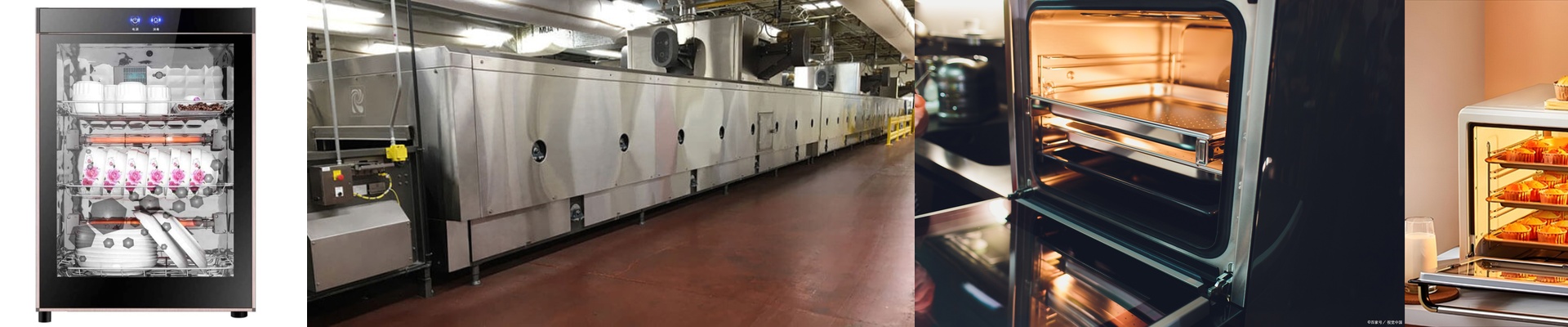
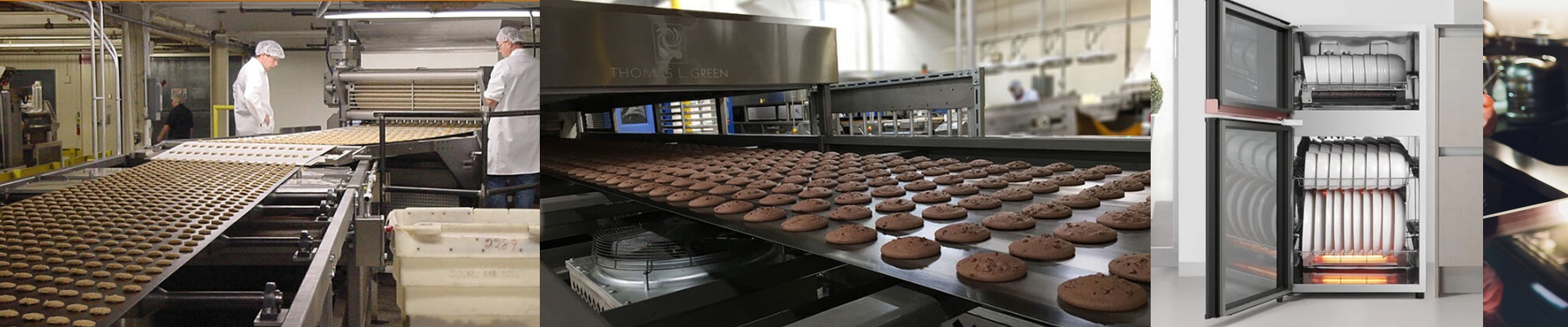
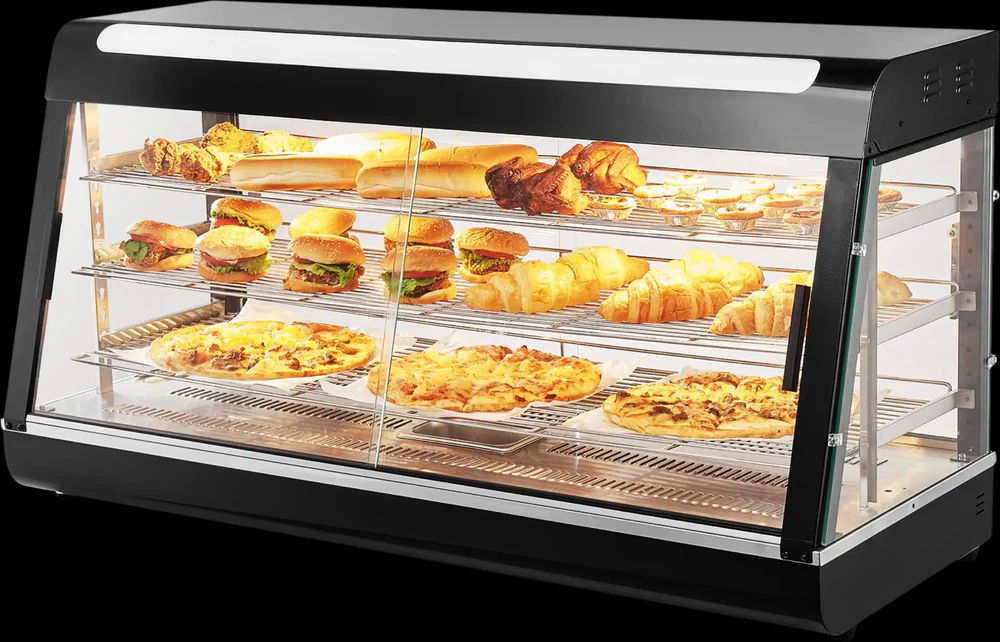
When service hits, you can’t afford to wait on your deck or rotary oven coming up to temp. Minutes burn away, and orders back up. Preheat lag forces you to stagger bakes, and then the warming station fights you—food drying on one side while it stays cold on the other. That inconsistency shows up fast: crust color goes sideways, holding temps drift, and your line loses its rhythm.
What Matters Technically
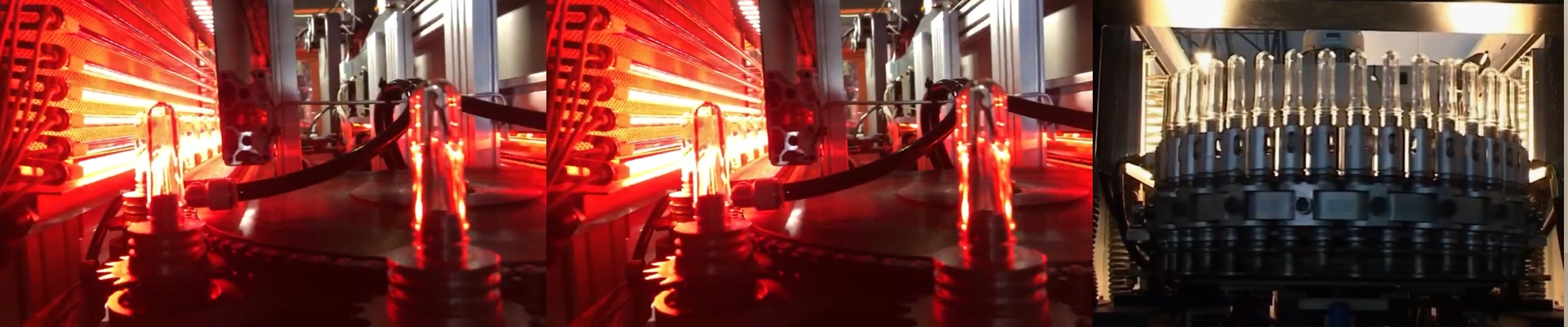
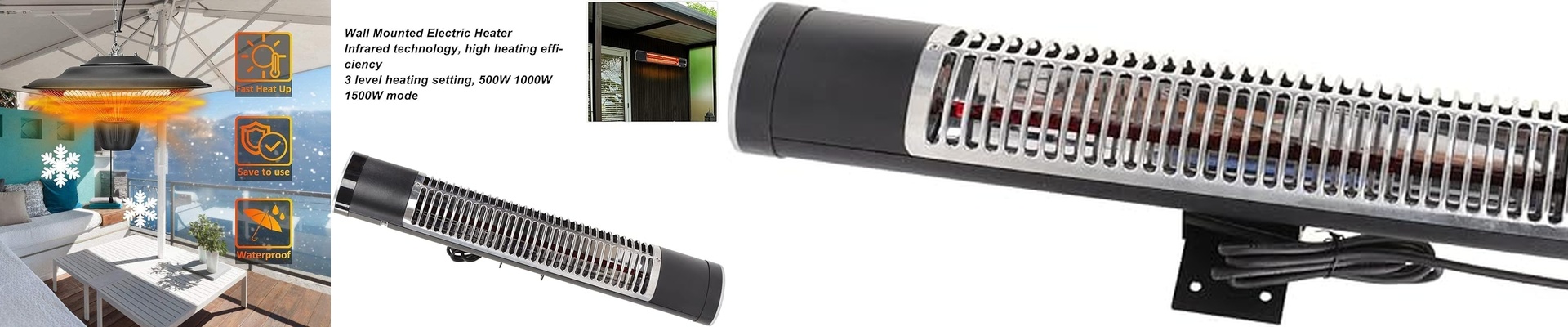
We built this infrared heater for warming stations and kitchen ovens where the real job is fast recovery and steady holding. The element leans on infrared energy that hits surfaces directly, so heat builds quickly without waiting on the whole baking chamber to soak. In practice, you get a faster heat-up and tighter temperature stability while you’re holding. The heater is engineered to hold a consistent output, so the warming zone stays predictable even when the rush is nonstop. Specs are matched to commercial power and real-world layouts—voltage options and compact dimensions that fit standard warming cabinets and under-beam oven spaces.
Why It Works Here
Drop this into the warming station and you cut the preheat gap, so you can start holding hot food sooner. It also smooths out the swings caused by door openings and back-to-back bakes, so plates leave with even heat across the pan. That means fewer reworks, fewer cold checks, and a line that moves at a steadier pace. Because infrared heats the product surface efficiently, you can hold at target temperature without over-browning or drying the top layer. Texture stays intact, and crust integrity doesn’t get punished. Energy use drops, too—you’re not heating empty air. The heat goes where it needs to go.
Things to Know
Infrared heats fast, and it cools fast when the element is off. Pair the heater with a reliable thermostat and a well-insulated warming zone for the best results.**Clearance matters.**Keep the required distance to combustibles, and shield nearby proofing items from direct radiant heat. Installation is straightforward, but the wiring has to match the unit voltage and amperage, and the location should be protected from direct splash and heavy grease. Plan for routine cleaning and element inspection, and you’ll keep holding temperatures steady—shift after shift.