
Introduction
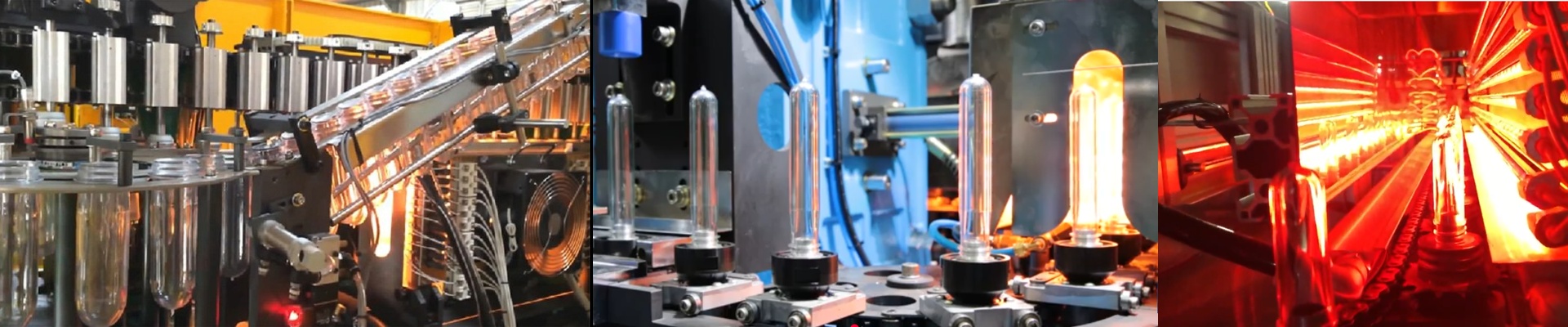
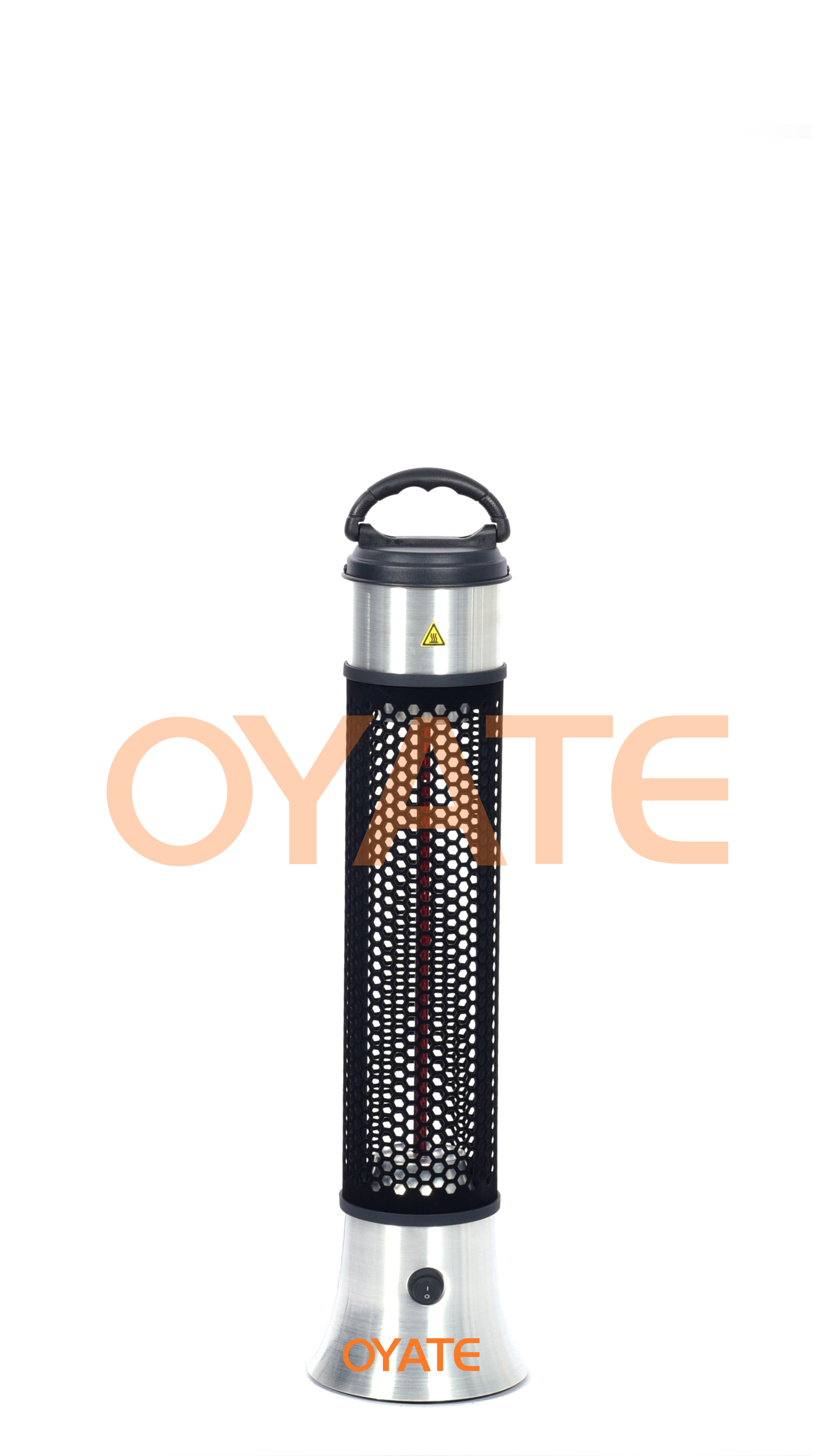
When we set out to build these personal heaters, we had one clear goal in mind: warmth, right now. No waiting around for the air to slowly warm up. So, we built them around an infrared halogen lamp. The moment you flip the switch, it throws off radiant heat. For anyone specifying gear, it means you’re getting a solution that delivers fast energy transfer in a small space.
Technical Deep-Dive
We went with a 400V, 2500W lamp. Why? Because it packs a ton of power into a tiny footprint. The tube is just 300mm long, which focuses the heat right where you need it and keeps the whole heater nice and compact. This setup is built for industrial-grade reliability, but that also means your electrical components—the wiring, switches, and terminals—need to be rated for that constant high current.
Material & Design
The tube itself is built to take a beating. It’s a quartz envelope, filled with halogen gas, specifically chosen to handle the shock of turning on and off, over and over again. A special coating keeps the output steady and prevents hot spots, so the filament doesn’t get hammered every time you start it up. And the R7s connector? It’s a simple, two-terminal setup that’s easy to wire and stays put, even with a little vibration. It’s a drop-in fit for many standard heater housings, which means quicker assembly and less hassle when it needs servicing.
Application & Benefits
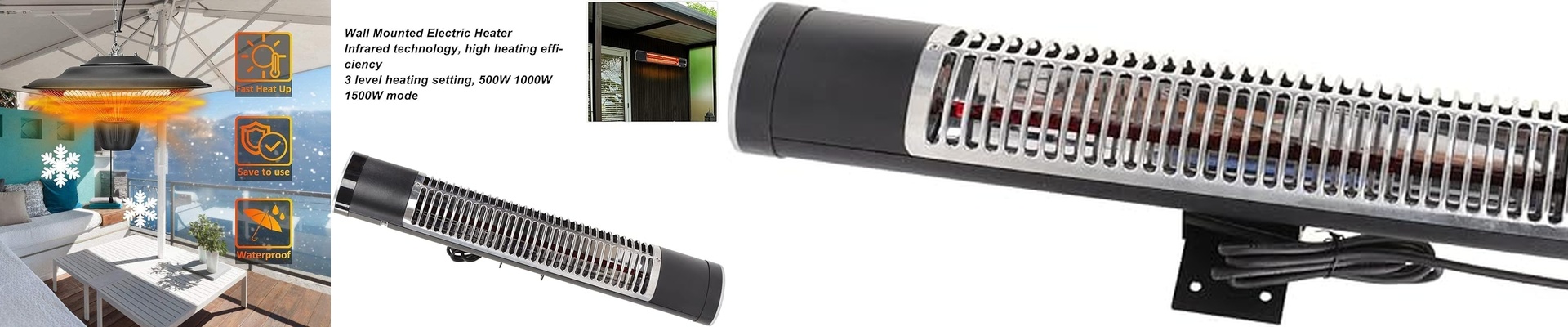
Think about those freezing mornings, or a tight workspace that just won’t warm up. This heater turns electricity into infrared radiation, warming you and your surroundings directly—not the air around you. The result? Instant warmth and control you can count on. Now, the halogen design does stay consistent over its life, but it comes with a trade-off. The lamp runs hot—seriously hot. So the housing and mounting need to give it enough space and proper thermal management. That’s the only way to keep everything from getting cooked.