Introduction
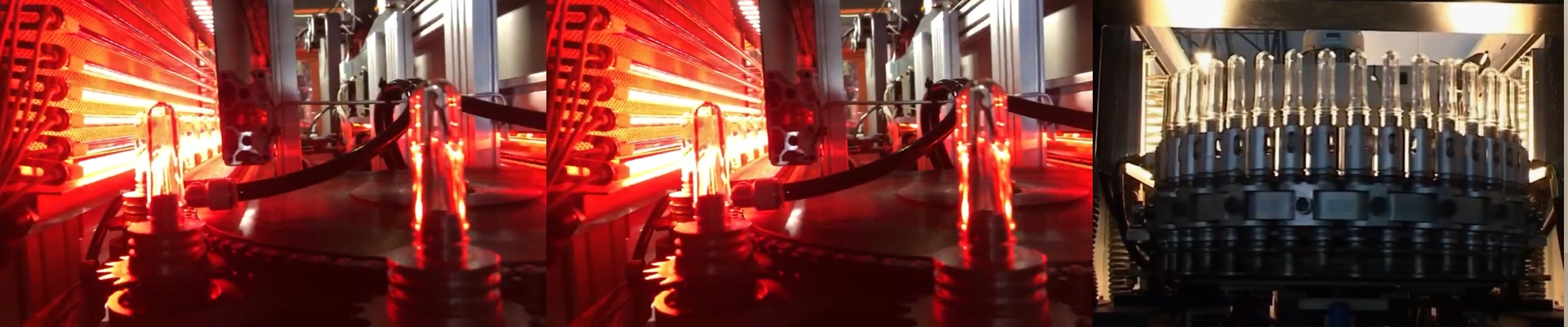
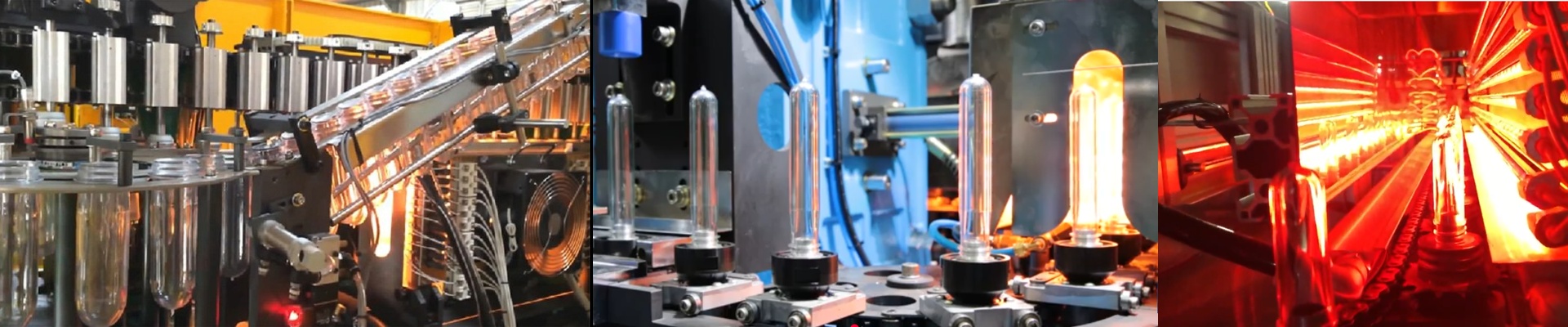
We built this infrared lamp from the ground up for SACMI blower lines and SIPA rotary machines. The whole point? Put an end to the temperature rollercoaster by giving you rock-solid power, every single time. When your heater runs at a steady, matched wattage, the preforms stop drifting, and your blowing cycle finally works like it’s supposed to—without fighting itself.
Power, Voltage, and Fit: The Real Details
Here’s the thing with blow molding: stable heat comes down to steady power and repeatable performance. So we set this lamp to deliver the exact wattage your SIPA system wants, with a voltage match that keeps the current predictable. That stops the controls from constantly hunting and keeps the lamp from dropping the ball during fast, demanding cycles. And the physical fit? It’s built to drop right in. The tube length and overall size match the original footprint, so it fits the same mounting space and focal distance inside the heating section. No re-engineering brackets. No re-routing airflow. Just swap it and move on.
Material Choices: Coated Quartz and a R7s Connector
We went with a coated quartz envelope because the coating helps manage the infrared spectrum and keeps surface temperature steady. In practice, that means more even heating across the preform wall—fewer thin spots, fewer stress lines after blowing. The connector is a standard R7s, two-pin. Why? It gives you reliable contact and makes replacement in the field straightforward. It holds up to the heat cycles without loosening, so you get consistent resistance at the terminals and fewer hot spots that flip on and off.
What It Feels Like on a SIPA Rotary Machine
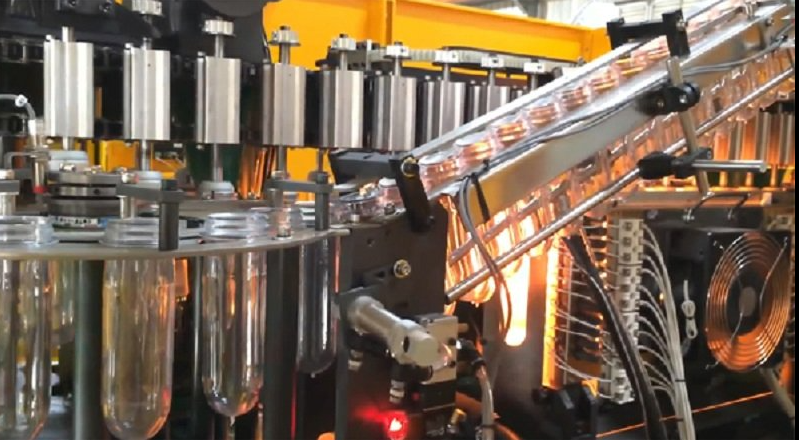
If you run a SIPA rotary, the real win is repeatability. A lamp that matches the power 100% keeps the heating profile steady, shot after shot. That means less variability in bottle weight and clarity. And installation? It’s a direct swap. Line up the R7s pins, seat the tube, and you’re back in production. Now, a heads-up: the high power density needed for fast cycle heating means the machine’s cooling and airflow have to be properly set up. If the chamber runs too hot, the lamp has to work harder to compensate, and that shortens its life. But match the lamp to the system, and the heating section just performs—quiet, consistent, and dependable.