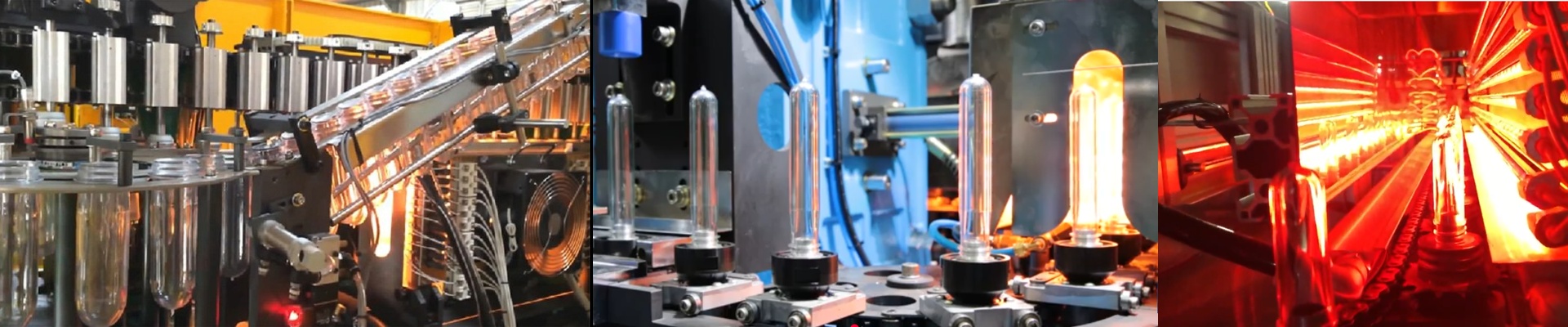
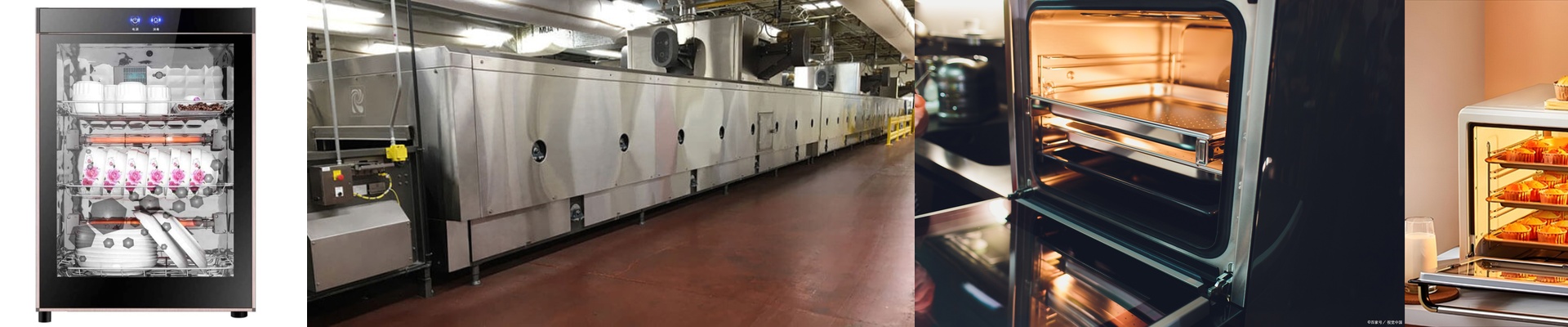
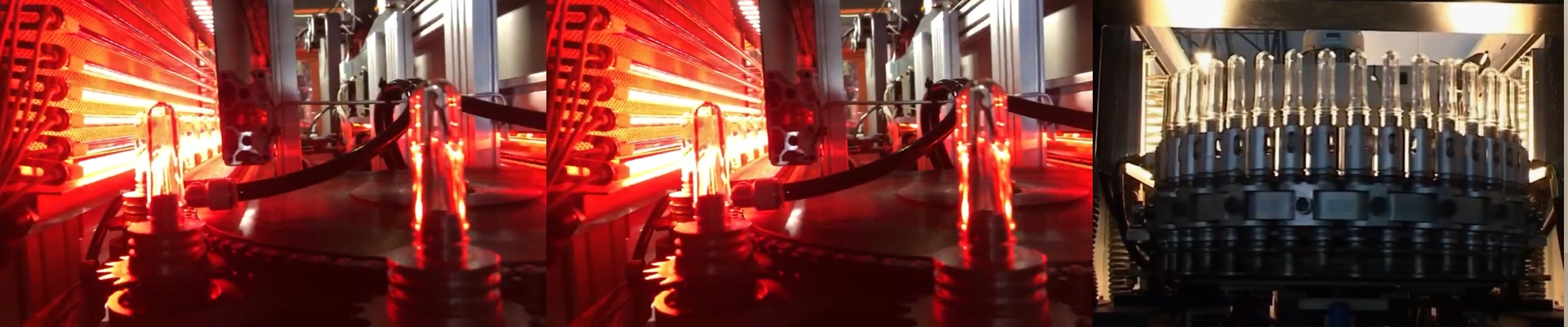
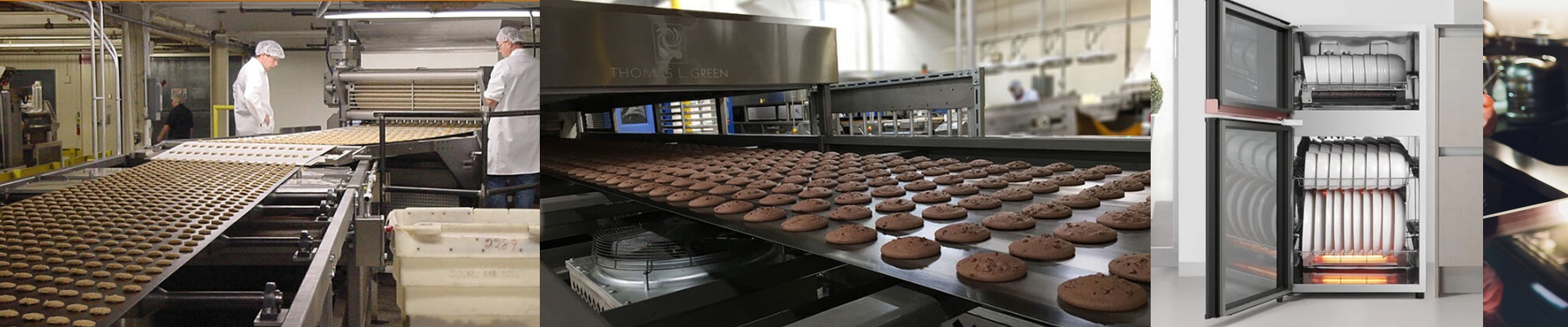
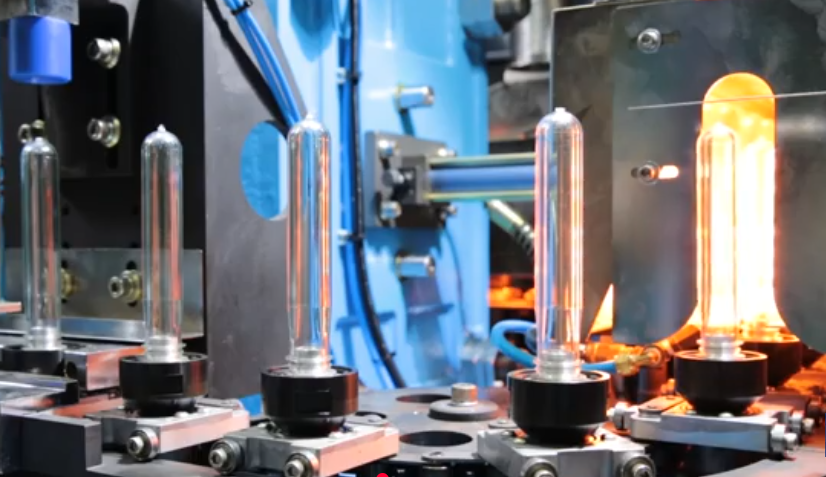
On a wide-mouth jar line, the heating tunnel is where you earn your uptime—or lose it. Preforms come in with tight tolerances, and the oven has to lay down a repeatable temperature profile across thick shoulders and a short neck, fast enough to keep up with high-cavity machines, without cooking the material. When the heaters aren’t pulling their weight, you see it right away: cycle-to-cycle drift, wall thickness that won’t hold, and the scrap pile starting to grow. We build wide-mouth jar preform heaters as direct-fit upgrades for blow molders, centered on short-wave infrared (IR) emitters and engineered to match the original geometry and power budget. The point isn’t novelty. It’s repeatable heat, stable output, and fewer unplanned stops.
What matters under the hood
Wide-mouth preforms need a heater that can focus energy where it counts—shoulder and finish—then back off fast when the jar geometry changes. Short-wave IR gives you that snap response and tight control, which is exactly what stretch blow molding demands.
- **Emitter choice:**We run short-wave infrared lamps because they respond quickly and hold closed-loop control well. That lets the heating tunnel pivot between SKUs without overshooting, so you don’t degrade the material trying to chase the profile.
- **Power density and distribution:**Wide-mouth preforms need a heating pattern that’s shaped to the part. We match lamp wattage and reflector geometry to wall thickness and cycle time so heat lands where it should and stays off where it burns.
- **Electrical compatibility:**The unit has to drop into what’s already there. These are offered in standard voltage configurations and common connector types in blow molding—often R7s bases and compatible terminal housings—so installation is a swap, not a rewire.
- **Thermal control:**Repeatability comes from control, not cranking the heat. We pair the emitter with a control strategy scaled to your tunnel’s number of heating zones, so setpoints track cleanly across long runs.
- **Mechanical fit:**Width, length, mounting holes, and alignment are checked against OEM tunnel dimensions. A proper fit keeps the preform path consistent and prevents hot spots or shadows from misaligned emitters.
Why this approach fits wide-mouth
On a wide-mouth jar line, the shoulder is thick and the finish is short. Standard heating profiles struggle with that combo. If the heater can’t focus energy quickly, operators tend to compensate by raising overall temperature. That’s how you end up with crystallization, haze, and weak necks. Our wide-mouth jar preform heater tackles this with geometry-matched design. The lamp array and reflector layout are tuned to the preform’s critical zones, so the profile stabilizes faster and holds steady cycle after cycle. In practice, that means less trial-and-error on changeovers and fewer micro-adjustments during long runs. You also get gains you can measure:
- **Faster stabilization:**Short-wave IR hits setpoint quickly, cutting warm-up time after changeovers. In many setups, the tunnel settles into stable operation in minutes, not tens of minutes.
- **Consistent output:**Closed-loop control keeps emitter output stable over time. We track output drift in controlled testing and design the lamp and power interface to keep variation in a tight band, which helps bottle weight and wall distribution stay consistent.
- **Energy use that adds up:**Infrared heats the preform directly, so less energy is wasted heating air and machine structure. Depending on line configuration and duty cycle, plants often see a measurable drop in kWh per thousand bottles—especially on lines that change over often.
- **Longer service life:**Short-wave lamps are sensitive to thermal shock and cycling. We match the lamp to the operating profile and include protection against thermal stress at startup, which supports longer life in real conditions. In our internal life testing, lamps run under typical blow molding duty cycles consistently exceed 5,000 hours with controlled output decay.
- **Direct replacement:**The heater is engineered as a drop-in upgrade for common blow molder tunnels. You keep the same footprint, mounting, and control interface, so downtime stays minimal.
The practical details that make the difference
A heater upgrade is straightforward, but you’ve got to get the floor details right.
- **Confirm the tunnel geometry:**Measure tunnel length, mounting pattern, and preform path. Even small mismatches in lamp positioning can shift the temperature profile and show up as quality issues.
- **Match the control strategy:**Infrared emitters are fast, but they need stable power control. If your machine uses older open-loop heating, you may need to update the controller or add closed-loop capability to get the full benefit.
- **Plan for thermal management:**Infrared heaters run hot at the emitter surface. Make sure airflow and clearance meet specified safe distances. If the tunnel has limited airflow, talk with maintenance about heat rejection.
- **Expect a learning curve on profiles:**You’ll still tune temperature zones for each jar size. The upside is short-wave IR stabilizes quickly, so you can find the right profile faster and lock it in.
- **Lamp life is real, not theoretical:**Lamp life depends on start frequency, voltage stability, and ambient temperature. If your line changes over often, discuss a duty-cycle-rated lamp option. We can supply a version optimized for frequent starts and provide a conservative rated life spec based on your operating pattern. If your wide-mouth jar line is fighting inconsistent heating, long changeovers, or unpredictable lamp life, a preform heater matched to the preform geometry and your blow molder’s tunnel is a practical upgrade. Send us your machine model, tunnel dimensions, and the jar SKUs you run. We’ll spec the heater to fit, control it to perform, and give you the numbers behind the thermal solution.