
In the shop, we live by tolerances. That same mindset went into this infrared basement electric heater—zeroing in on that 0.1mm window for the gold coating so heat output stays steady, not drifting. For you, that means warmth you can count on, whether you’re finishing a project, extending a workout, or finally making the basement feel like part of the house.
What matters under the hood
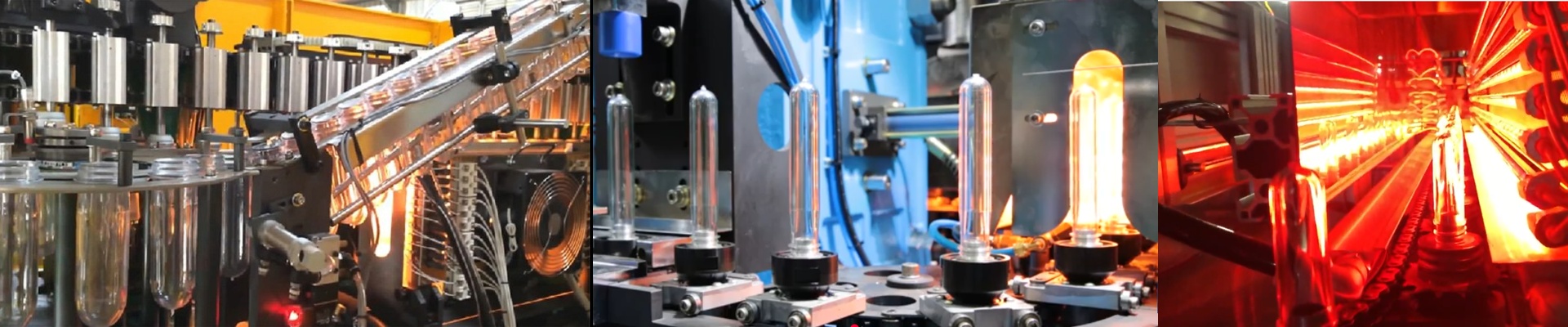
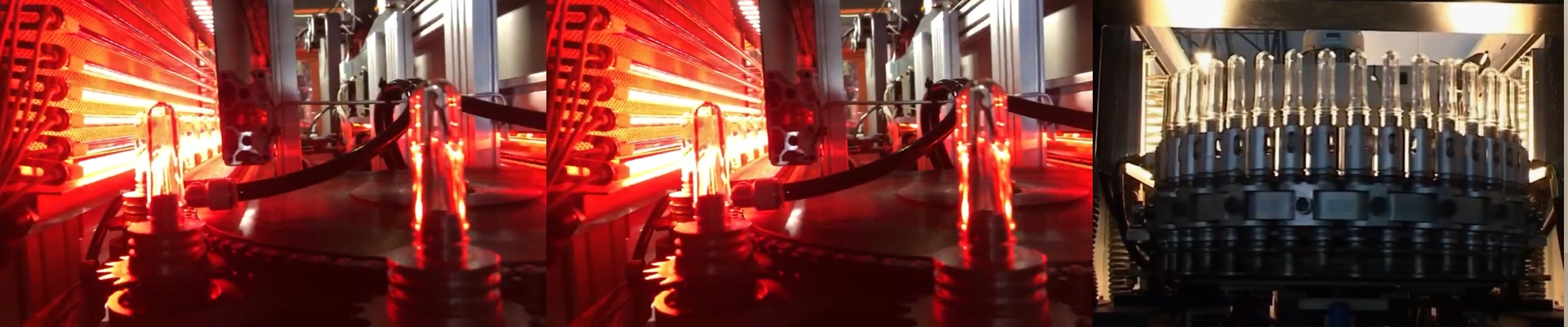
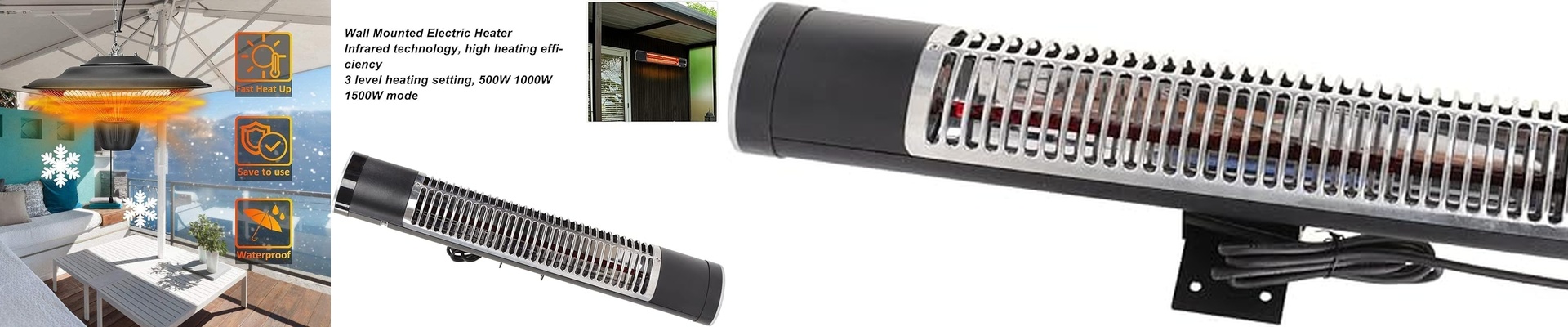
Infrared warmth is direct. It lands on people and surfaces, not on the air. Inside, a high-purity quartz tube with a tightly controlled gold coating keeps the spectral profile even over thousands of hours. We pair that with a carbon fiber element for fast heat-up and long life, so the unit comes alive the moment you flip the switch. You’ve got 120V and 240V options to match your circuit, and the built-in thermostat lets you dial in comfort. Safety is built in, too—tip-over protection and a protective grill. Basements are active spaces, not showrooms, and this heater is built accordingly.
Why infrared makes sense in a basement
Basements stay cold for a reason: concrete and soil have serious thermal mass, and they pull heat away fast. Conventional heaters move air, and that air gives its warmth back to the walls almost as quickly as it reaches you. Infrared hits the floor, the tools, and your body first, so you feel the heat even while the room temperature is still catching up. The result? Fewer drafts, less dust circulating, and a more even feel around workbenches and seating. You get usable comfort sooner, with fewer on-off cycles, and the energy goes where it matters—warming the people in the room.
What to keep in mind
Placement is key. Infrared works best with a clear line of sight to the people and objects you want to warm. Keep the heater at least three feet from combustibles and leave room for airflow around the unit. For reliable performance, match the voltage and circuit rating during installation. If your basement tools and gear pull a lot of power, consider adding a dedicated outlet. And in very humid basements, a solid venting strategy helps keep the heater running clean and dry over the long haul.