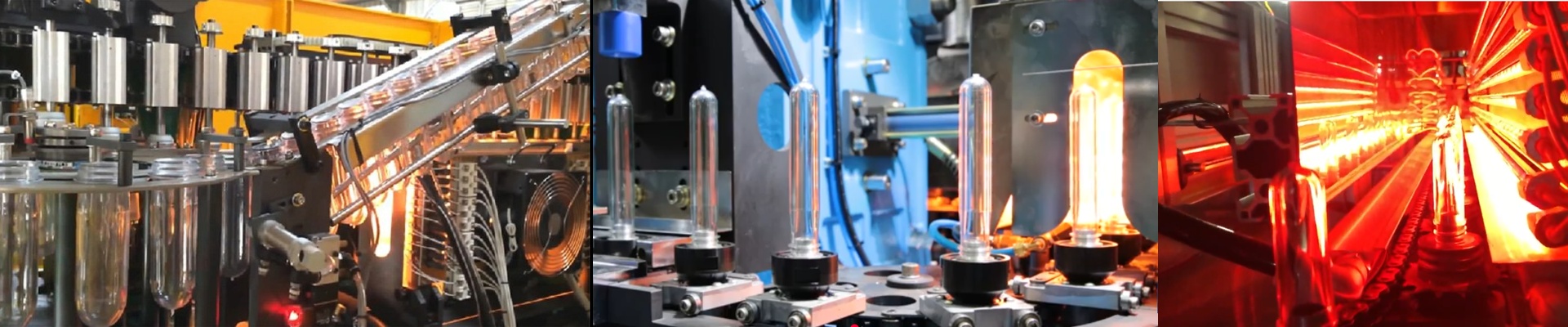
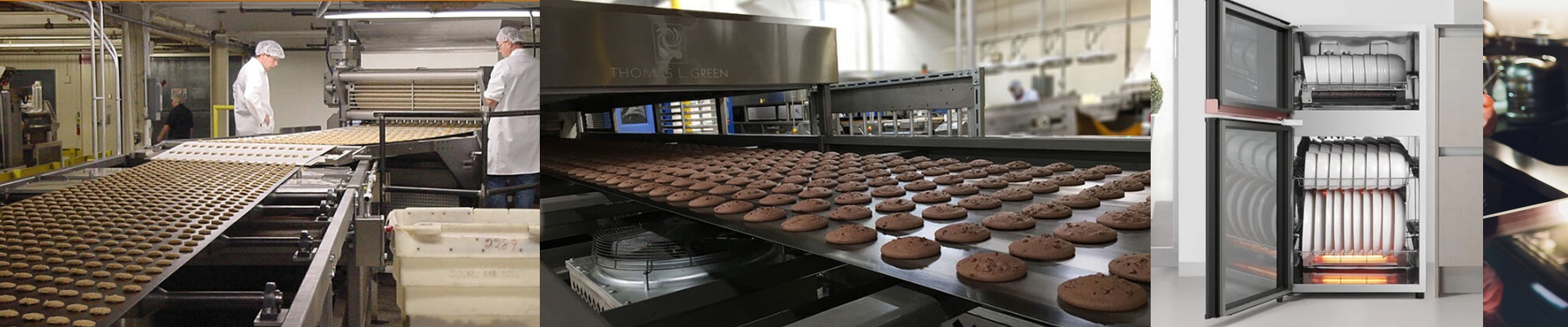
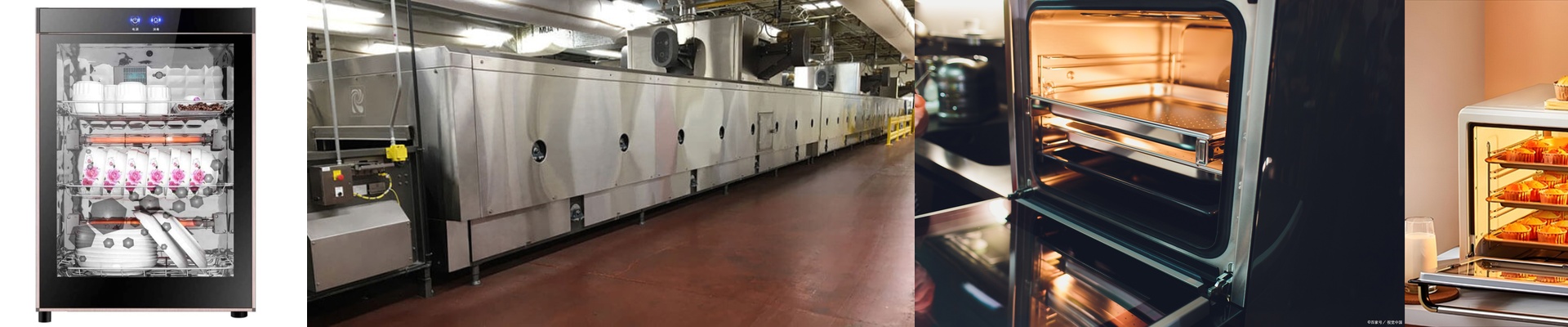
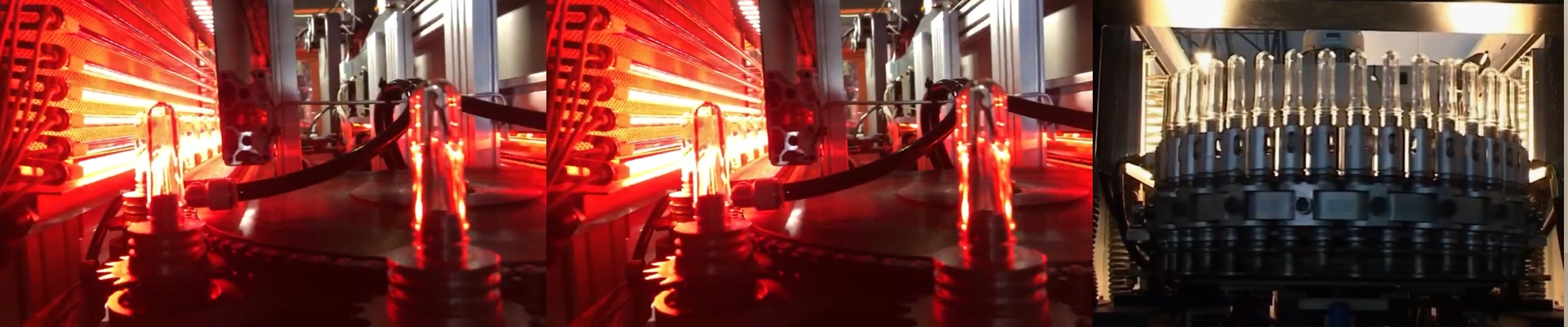
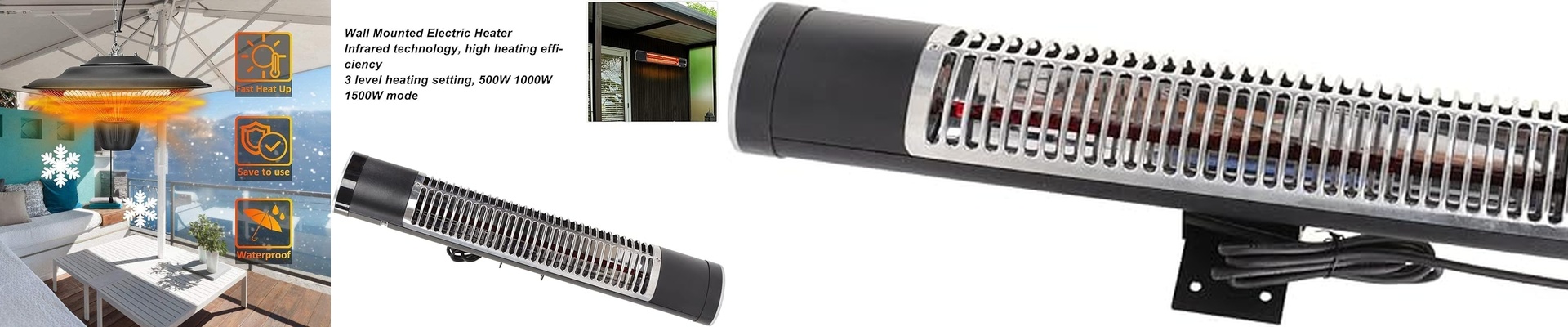
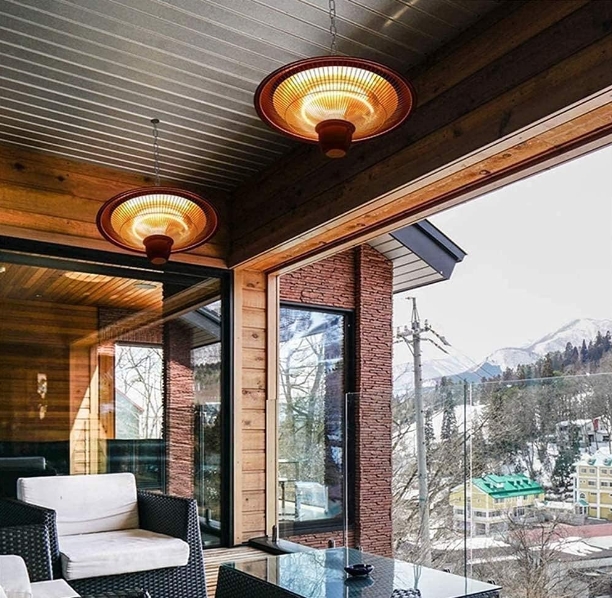
When evening brings a bite to the air, you need a heater that won’t bail on you halfway through the season. Infrared heaters give you that instant warmth, but the real difference-maker is one detail most people miss: the lead seal. On mass-production units, you often see thin insulation that cracks under sustained high heat. Once that happens, moisture and debris get in, and you’re on the fast track to shorts and early failure. We build our CE certified electric heaters with an OEM-level sealing process to keep the internal wiring isolated, dry, and stable. Here’s the technical side in plain terms. Infrared warmth starts with a focused element—quartz, carbon fiber, or short-wave—heating up fast and radiating directly to people and surfaces. Our units run on standard 120V or 240V circuits, with sealed junction boxes and high-temperature silicone grommets at every wire entry. The lead seal is compression-fit and potted, not just wrapped in tape. That means internal connections stay intact even after thousands of on/off cycles at peak temperatures. Add in a thermostat, tip-over protection, and an IP rating for outdoor use, and you get a system that runs safely, quietly, and consistently. Out on the patio, in the garage, or under a covered porch, conditions shift quickly—wind, humidity, dust, and sudden temperature swings. A weak seal is an open door for trouble. Our sealing approach prevents hot-spot degradation, so you get steady infrared heat without the headache of intermittent cutouts or electrical faults. That translates to fewer service calls, longer life, and the kind of reliable comfort that lets you stretch your outdoor season without second-guessing. You feel the warmth the moment you flip the switch, and the peace of mind sticks around all winter. Even the best seal needs the right install. Keep the heater on a stable, level surface, and make sure the plug and circuit match the unit’s rated amperage. For hardwired models, a licensed electrician ensures the connections meet local codes and outdoor requirements. Our seals are built to handle heat and moisture, but no electric heater is designed for direct heavy rain or submersion. Use the unit as intended—covered outdoor areas—and you’ll get dependable warmth, season after season.