
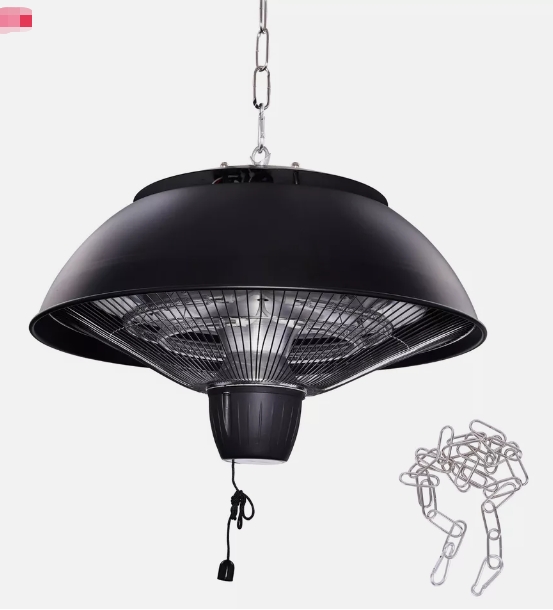
Keeping the Rain Out and the Heat On: The Truth About Outdoor Heaters
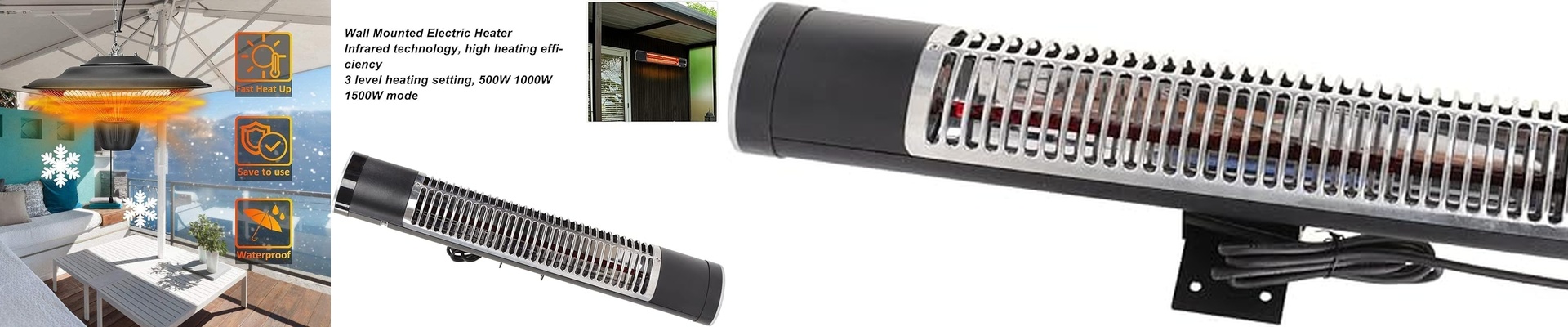
Let’s be honest—the outdoors is a nightmare for electronics. Between the sudden downpours, salty sea air, and those wild temperature swings, most outdoor heaters are basically ticking time bombs. We’ve seen too many units get eaten alive by rust or short out right when you actually need them. That’s why we obsess over the “boring” stuff. Stopping the leaks Water is the fastest way to kill a heater. Simple as that. To stop it, we don’t just throw a cover on it; we use tight gaskets and sealed housings (what the tech folks call IP ratings). It means when a splash of rain hits the unit, it stays on the outside. This is a huge deal if you live near the coast. Salt air loves to chew through copper contacts, but a sealed chassis keeps that oxidation from ruining your day. The battle against fog Then there’s the condensation. It’s a sneaky problem. When you flip the switch off, the heater cools down fast. Moisture beads up on the quartz tube. If those little droplets are still there when you turn it back on? Boom. You get “cold spots.” The glass hits a thermal shock and cracks. To fix this, we added anti-fogging coatings and designed the airflow to push moisture out quickly. It keeps the tube clean and the heat steady. No cracks, no surprises. The one catch Here’s the thing: when you seal something tight to keep water out, you’re also trapping heat inside. It’s a trade-off. Because the internals are locked down, the housing can get pretty warm. This is why you can’t just shove the heater into a tight corner. Give it the breathing room we recommend in the manual, or you’ll risk overheating the guts of the machine. At the end of the day, we just want to make sure your heater survives the winter. By managing the moisture and the fog, we’ve built something that can take a beating from the weather without you having to buy a new one every single spring.