Keeping Things Safe When Heat Meets Water
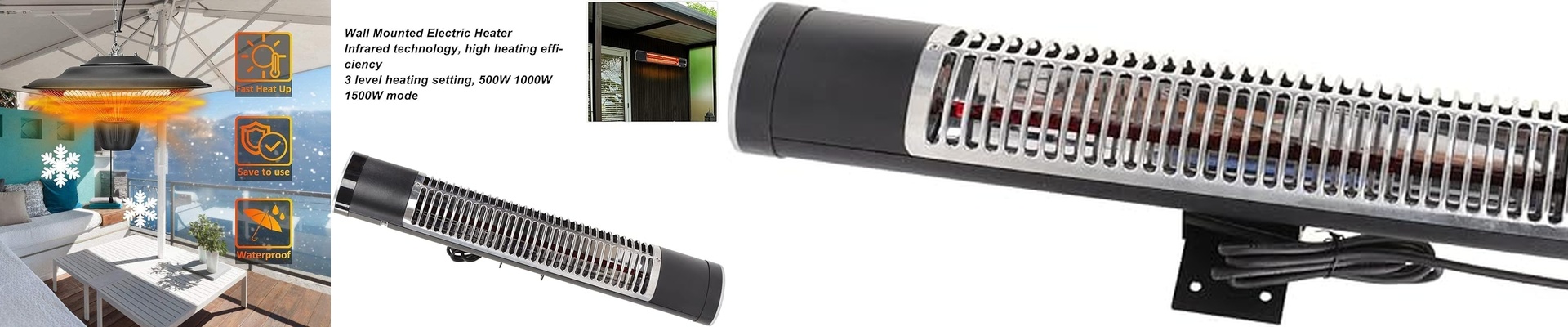
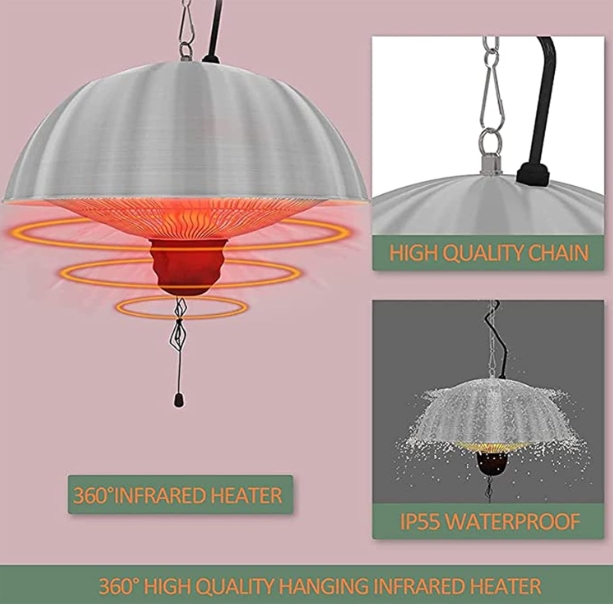
Putting infrared lamps in a bathroom or a steam room is a bit of a gamble. You’ve got high-voltage electricity and thick water vapor hanging out in the same small space. Most heaters just can’t hack it. Moisture sneaks into the housing, or the glass simply gives up. You’ll see an IPX5 rating on a box, which basically means the unit can take a spray of water from any direction without dying. But honestly? The housing is only half the story. The real danger is the heating element itself.
Why “Explosion-Proof” Glass Actually Matters
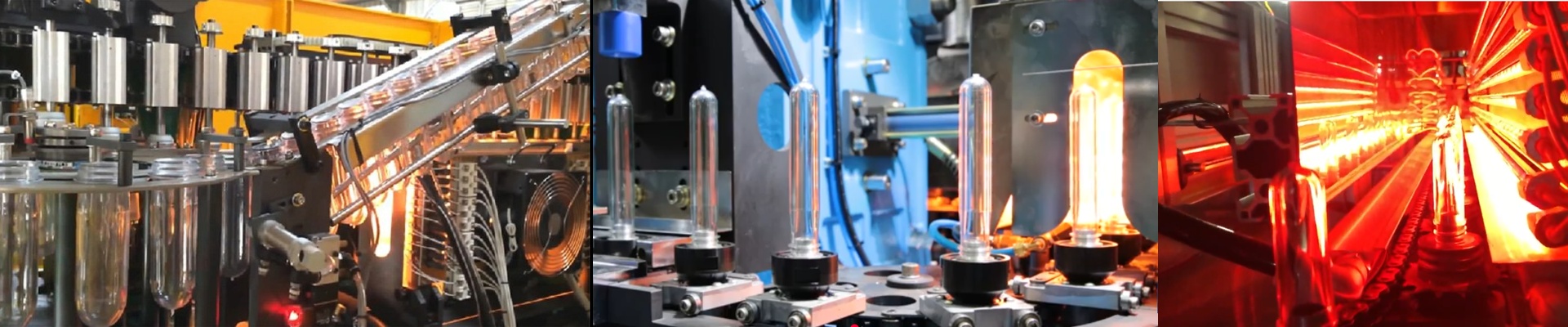
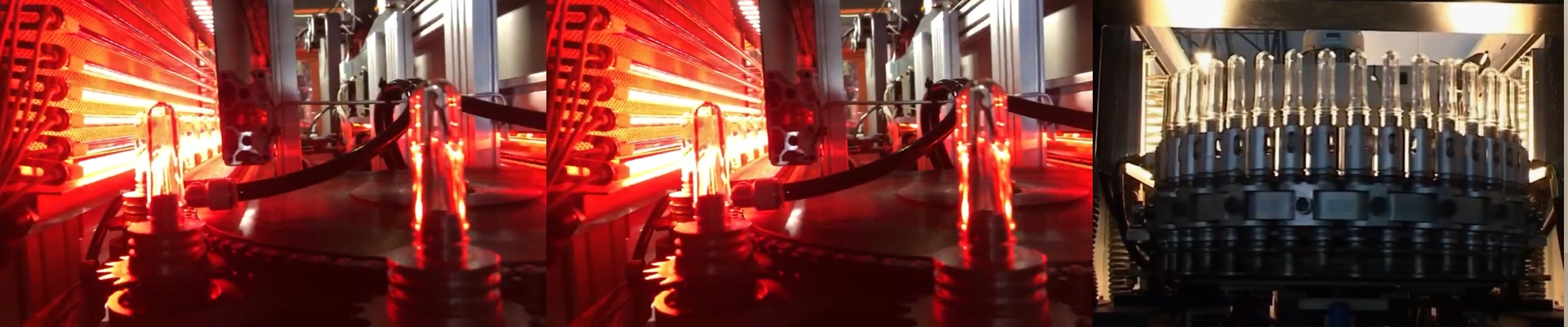
Imagine a quartz tube glowing at 600°C. Now imagine a single, cold drop of water hitting it.
- Crack.* That’s thermal shock. It happens in a heartbeat. To stop this, we use explosion-proof quartz glass. It’s designed to handle those wild temperature swings without shattering. If that glass breaks, you’ve suddenly got live current exposed in a room full of steam. It’s a recipe for a disaster. Using this specific glass is the only way to make sure a little condensation doesn’t turn into a catastrophic short circuit.
Dealing with Seals and Heat
An IPX5 seal is great for keeping water away from your wiring. We use silicone gaskets and tight housings to make sure the internals stay bone-dry. But here’s the catch: the tighter you seal something, the more heat you trap inside. If you cram a high-wattage lamp into a tiny, airtight enclosure, the temperature inside is going to skyrocket. If your ventilation isn’t on point, the thermal cutoff will just keep tripping, and your heater will shut down right when you need it. It’s a balancing act.
The Reality of Installation
Even the best gear can’t fix a bad install. You need grounded circuits and GFCI protection. Period. Without a proper ground wire, all those safety ratings are basically useless. One last tip: watch your mounting brackets. If you tighten them too much and compress the seals, you’re actually creating a path for moisture to leak right inside. Keep it snug, but don’t crush the gaskets.