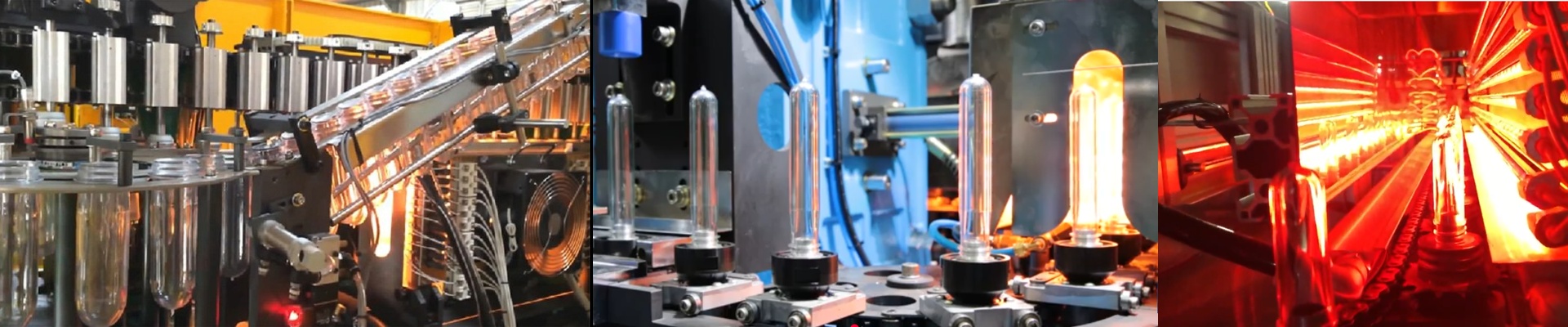
Stop Tearing Your Heaters Apart Every Time a Tube Blows
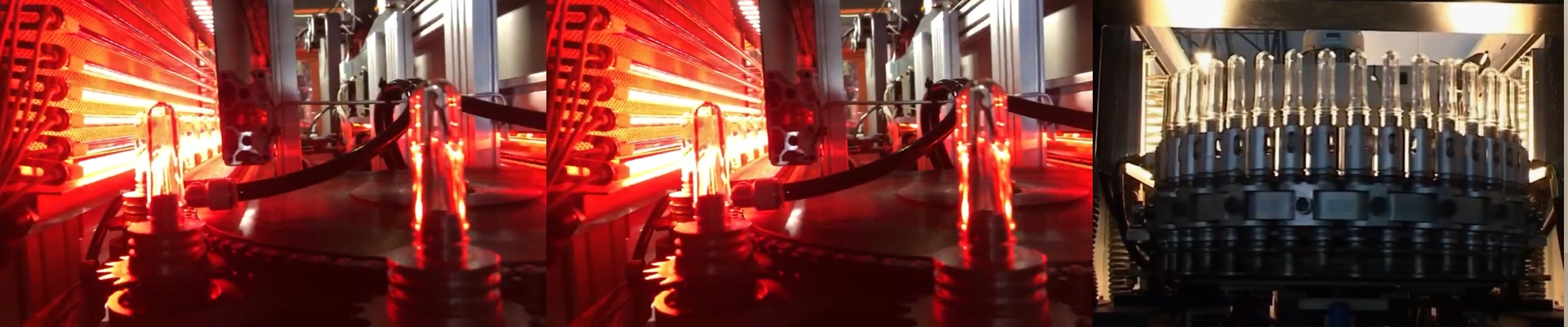
Most industrial heaters are built for day one. They work great until they don’t. But the second a heating element burns out in a sealed, waterproof table heater, you’re usually looking at a nightmare. You have to rip apart the entire chassis just to fix one small part. We got tired of that. So we built our waterproof infrared modules to actually be maintainable. The logic is simple: treat the heating element like a consumable. Think of it like changing a lightbulb instead of replacing the whole ceiling fixture. We used a modular frame, so you aren’t rewiring the entire table every time a tube fails. The heating blocks are their own independent units. You just pull the dead module out, slide a new one in, and lock it down. It turns a four-hour teardown—the kind that ruins your afternoon—into a ten-minute swap. Now, usually, “waterproof” means everything is potted in resin or welded shut. That’s great for keeping water out, but it’s a disaster for anyone who actually has to fix the thing. We did it differently. We used precision-machined gaskets and IP-rated seals around where the modules connect. You still get the water resistance you need for wet environments, but you can actually get inside the machine without a blowtorch. There is a trade-off, though. Let’s be honest. A modular design has more connection points than a single piece of cast metal. That means you have to be careful. If you don’t seat the gasket correctly during a swap, you lose that waterproof seal. It’s a bit more attention to detail during assembly, but in my book, that’s a fair price to pay to avoid total machine downtime. When you’re planning your line, take a look at your maintenance space. We sized these modules for quick access. You won’t have to shift the table or dismantle half your conveyors just to reach the lamps. Just pop the cover, swap the module, and you’re back in business. It keeps the line moving, and it keeps your sanity intact.