
Introduction
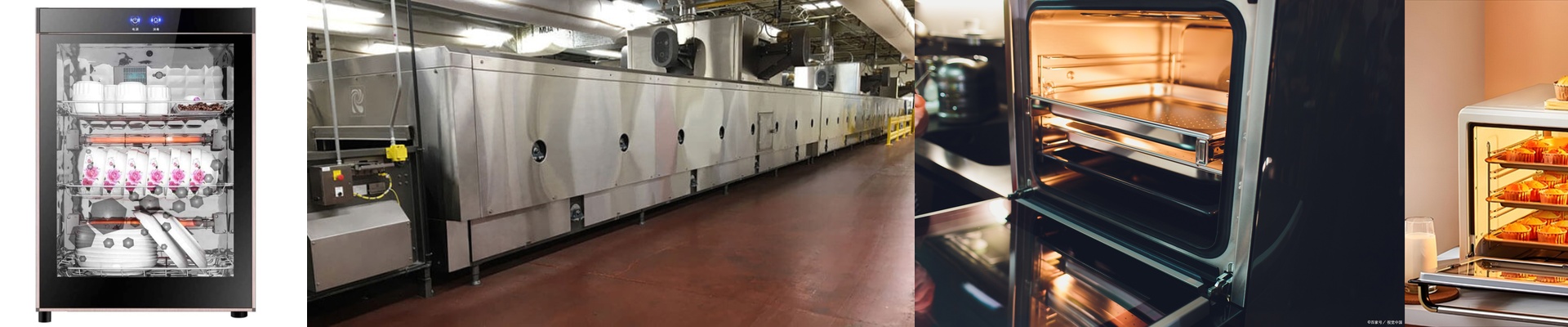
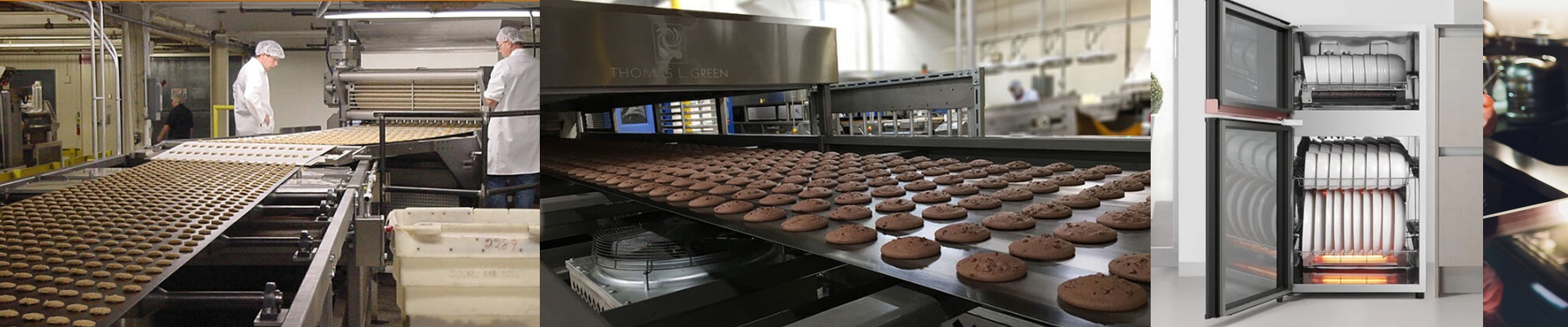
We built this clear quartz infrared heater for one simple reason: to get heat back, fast. In a bakery, morning rush is no joke. Every second counts. The moment you load cold trays and the oven temperature dips, you need to recover—now. This infrared lamp gets right back to target temperature almost immediately, so your line doesn’t have to pause and wait.
How It Works (Without the Tech-Speak)
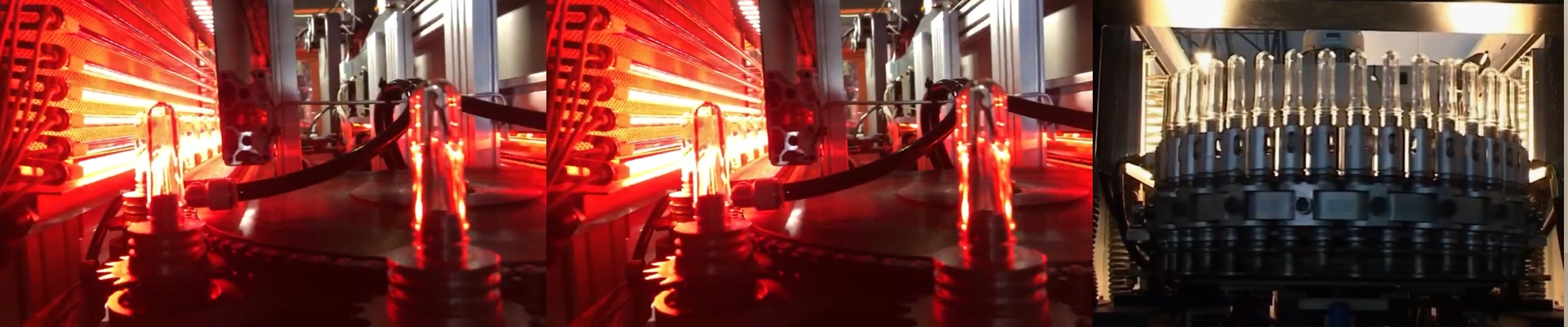
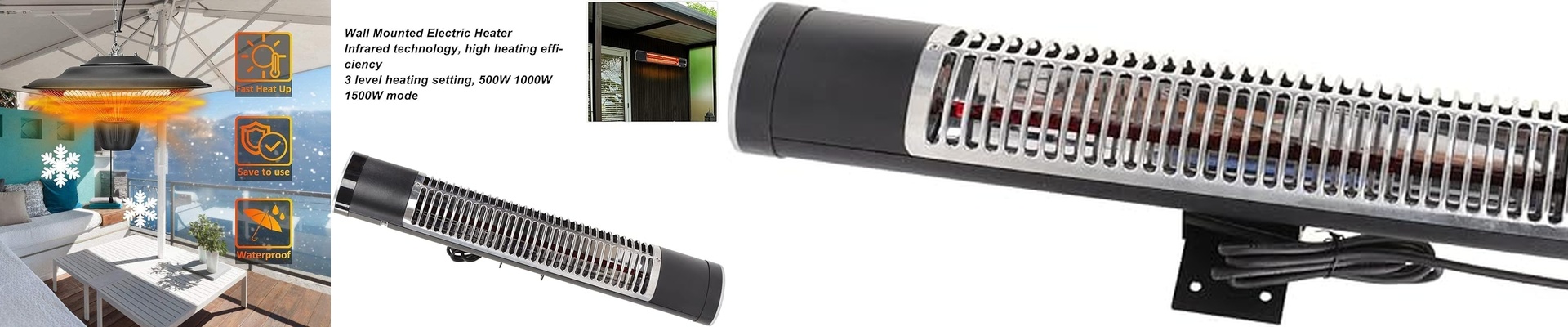
Think of it like this: the hotter the filament, the faster the radiant heat comes out. To make that happen, we run the lamp at high voltage. That pushes the filament hard without overloading the circuit. The payoff? A compact tube that packs a ton of heat into a small space. It’s engineered to work with industrial power, so you can wire it into existing oven zones without tearing the line apart. And the size? Kept tight. It drops into narrow reflector channels and still covers the target area fully.
The Materials That Matter
We use clear quartz because it lets shortwave infrared pass through with hardly any absorption. That means the energy goes straight to the load—quick response, steady radiant heat. The R7s connector isn’t an afterthought. It handles the heat near the tube ends and gives you a solid, repeatable connection that holds up when things heat up and cool down, again and again. And the coating on the tube? Pure function, not looks. It helps prevent hot-spot stress and keeps output stable over time. Just keep in mind: this is high-energy gear. It runs hot, so you’ll need proper clearance and a cooling plan for the surrounding chassis.
What It Feels Like on the Floor
In a bakery oven, the goal is recovery—open the door, load, close, and get back to bake temperature without losing momentum. With this lamp, you don’t have to twiddle your thumbs while the cavity settles. You hit consistent bake profiles even when the rush is on. It’s designed as a straightforward replacement for standard infrared lamp assemblies. It fires up fast, holds output steady, and performs predictably when you need it most. Here’s the part to plan for: the heat density is real. Manage airflow and reflector spacing, and your components stay protected. Spec it, wire it, and it just runs—right when the morning rush hits.