Getting the Heat Where It Actually Matters
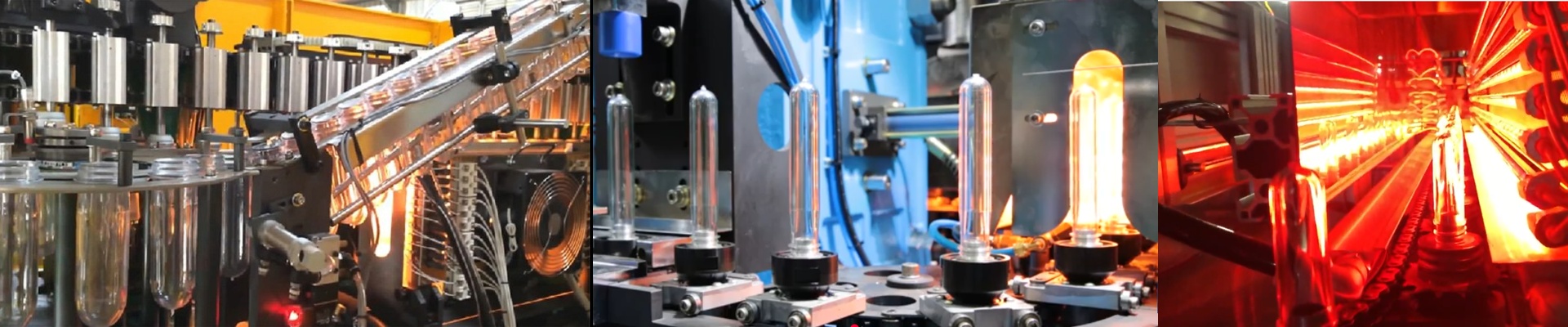
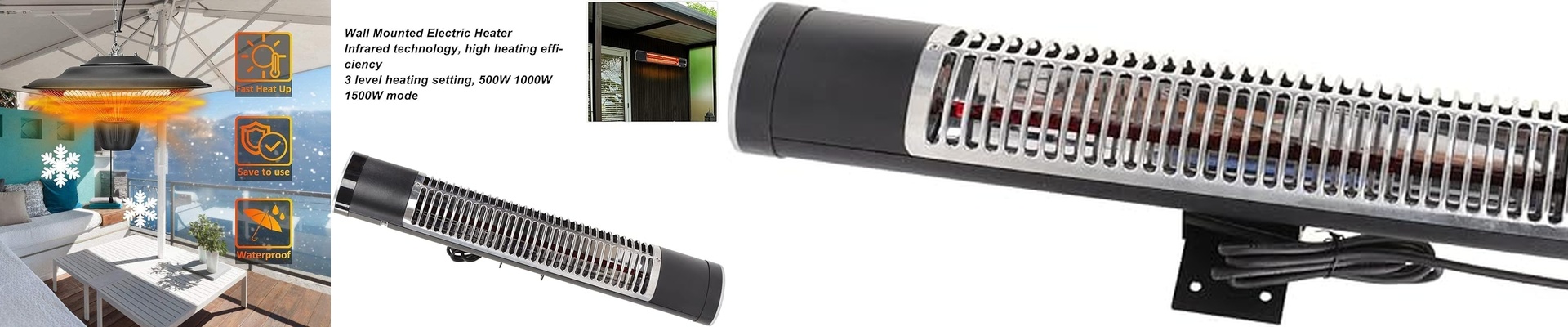
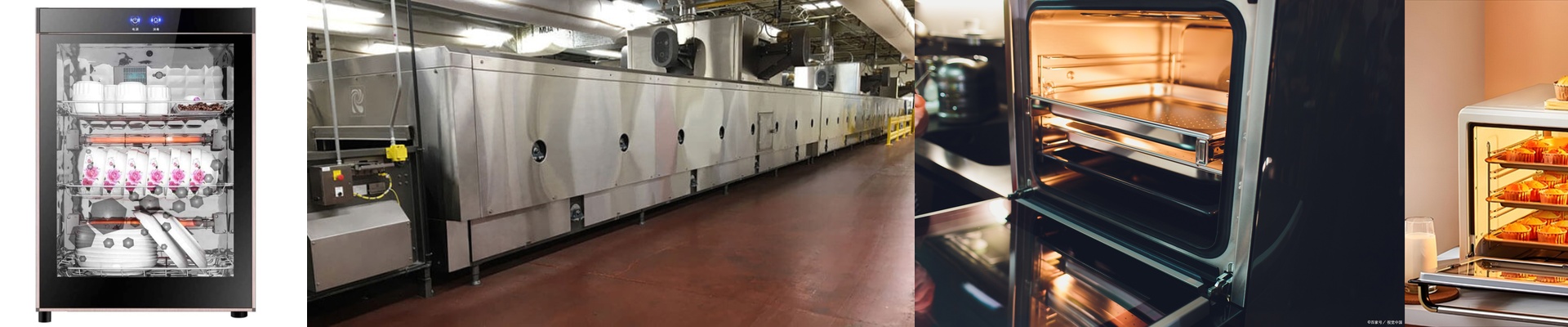
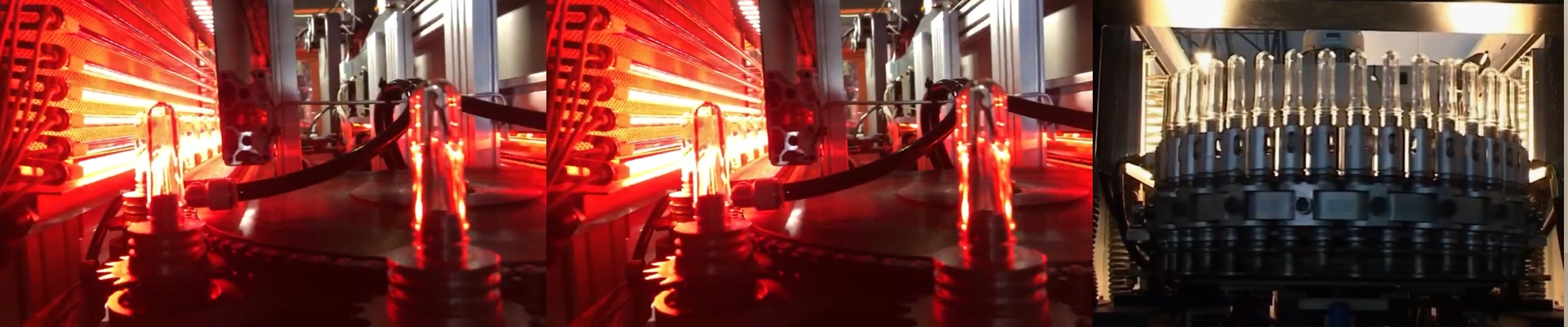
Ever tried cooking a thick cut of meat and ended up with a charred crust but a center that’s basically still raw? It’s frustrating. The problem is that surface heat just isn’t enough. You need the heat to actually get inside the meat. That’s why we use short-wave infrared (IR) lamps in our deck ovens. Instead of just heating up the air around the food and hoping for the best, IR radiation hits the food molecules directly. It’s a much more direct route. Why this actually works Short-wave IR is great because it can push through dense proteins. We pair these lamps with PID controllers so you can tweak the wattage on the fly. It stops that “burnt on the outside, frozen in the middle” disaster. We’ve specifically tuned these lamps to target the water and fats in the meat, which is where the heat needs to go. A word of caution on setup These lamps pack a punch. You get heat exactly where you want it, and it happens fast. But here’s the thing: your sensor placement has to be spot on. If your thermocouple is sitting too far away from the meat, there’s a lag. By the time the controller realizes it’s too hot, you’ve already scorched the crust. Keep those sensors close. Keeping things running The best part? These are drop-in replacements. You don’t need to rebuild your whole oven array to use them. We use quartz envelopes because they can handle the shock of being turned on and off rapidly without cracking. One tip from the trenches: check your wiring for oxidation every six months. These lamps pull a lot of current, which puts a ton of stress on the terminals. A loose connection will arc, and before you know it, you’ve burned out the socket. The trade-offs Nothing is free. Precision IR control uses more juice than your old heating elements. Just make sure your electrical panel can handle the initial surge when you first fire them up. Also, if you’re running a bunch of these lamps at once, keep an eye on your cooling fans. If they die, the concentrated heat can actually warp the oven housing. Keep the air moving, and you’ll be fine.