Fixing Your Bread Oven Without Breaking the Bank
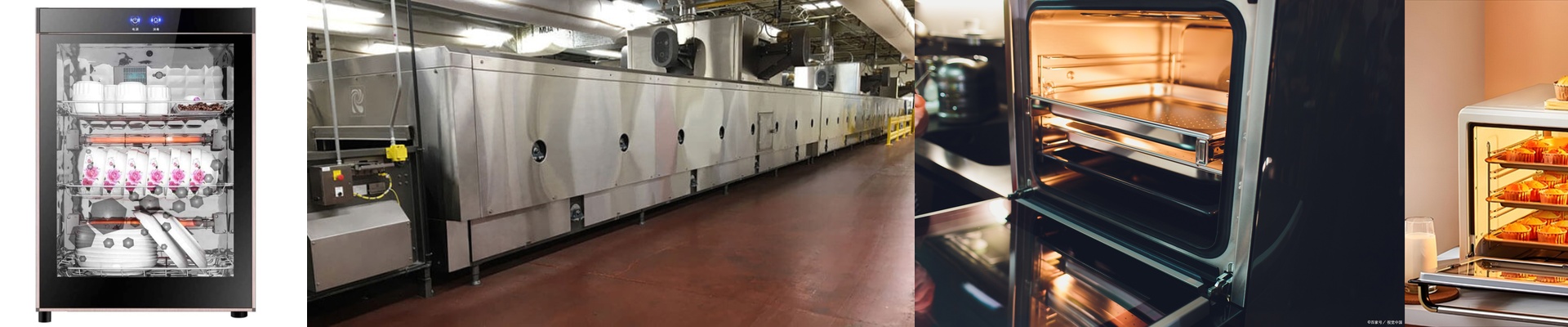
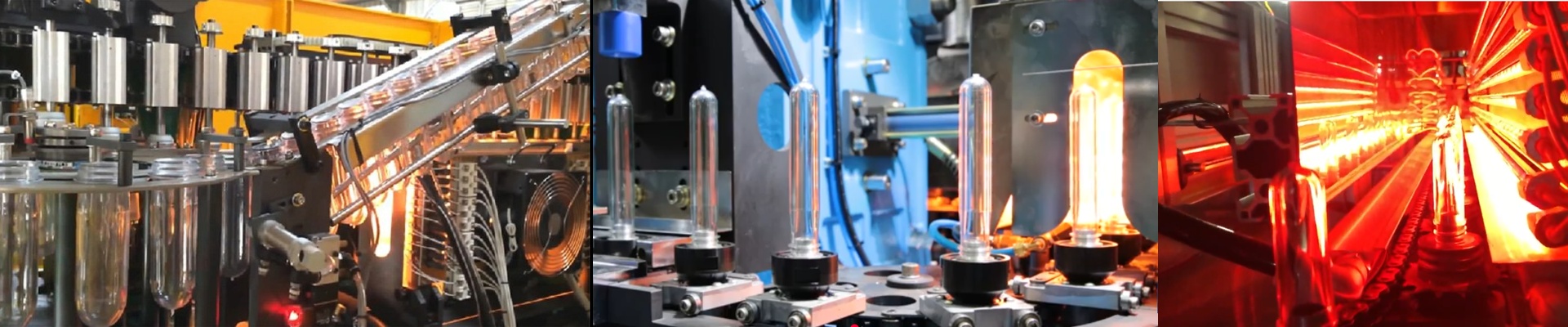
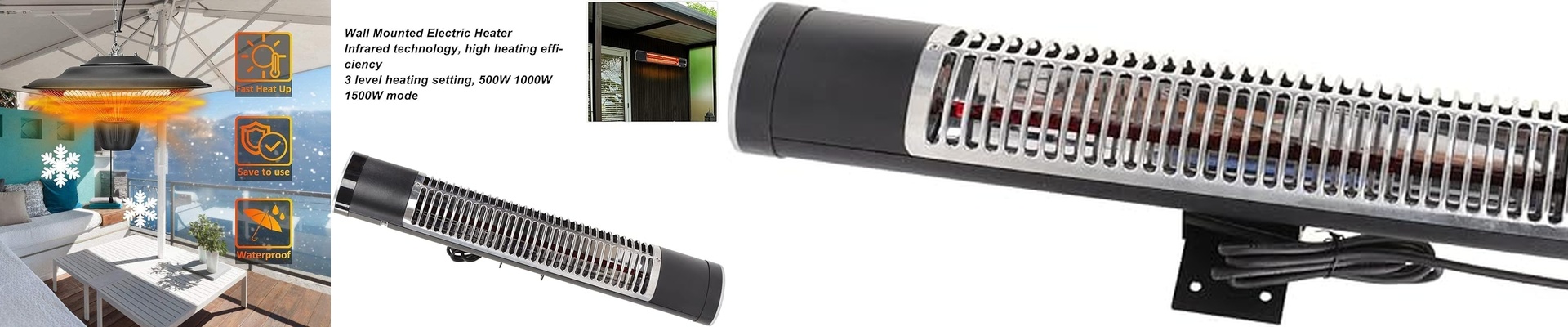
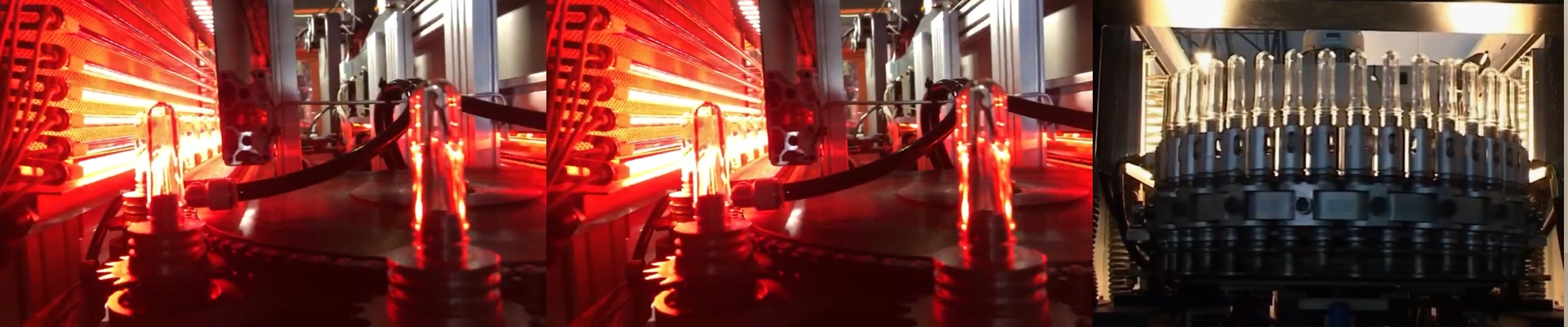
Let’s be honest: OEM replacement parts for imported ovens are a rip-off. You look at the price tag for a new heating tube and it feels like a punch in the gut. But you can’t just put any old heater in there if you actually care about your bread. The real struggle with bread ovens is the “heat drop.” Every single time you swing that door open to load a tray, the temperature plummets. If the oven takes forever to get back up to speed, your crust suffers. That’s where high-density ceramic infrared heaters come in. Why ceramic? Standard metal elements are slow. They lumber along. Ceramic-encapsulated coils are different. They blast out short-wave infrared radiation that hits the dough almost instantly. It’s not just about heating the air; it’s about pushing energy directly into the loaf. Because they pack more power into every inch, your oven bounces back to the target temperature way faster. Your workflow stays smooth, and your bread actually looks the way it should. The “Don’t Screw This Up” Guide Now, you can’t just eyeball this. First, check your voltage. If you drop a 220V element into a 380V circuit, you aren’t getting a heater—you’re getting a firework. It’ll pop instantly. Then, look at the fit. Most of these industrial ovens use heavy-duty screw terminals or ceramic sockets because things expand and contract when they get hot. If your replacement is even a tiny bit too short, it’ll pull on the wiring. Over time, that tension leads to arc faults. And nobody wants electrical sparks in a bakery. The Catch Nothing is perfect. Ceramic heaters are powerhouses, but they’re brittle. They can handle insane heat, but they can’t handle a hammer. If your staff is rough with the oven internals, these tubes can crack. Also, because they heat up so aggressively, your temperature controller needs to be on its toes. If you’re using an old, slow PID controller, the oven might overshoot the mark. You’ll end up with loaves that are burnt on top and raw in the middle. Just match the ohms, get the dimensions exactly right, and calibrate your sensors. It’s a simple swap that saves you a fortune compared to the factory parts.