


When winter air settles into a dorm, your hands and feet are the first to fold. Standard electric heaters move air around, but that can feel slow—and drying. Infrared warmth works differently. It delivers heat straight to people and surfaces in line-of-sight, so you feel it faster, without waiting for the air to get moving. For students who study for long stretches, that immediate, even warmth is the difference between numb fingertips and staying dialed in.
What matters, technically
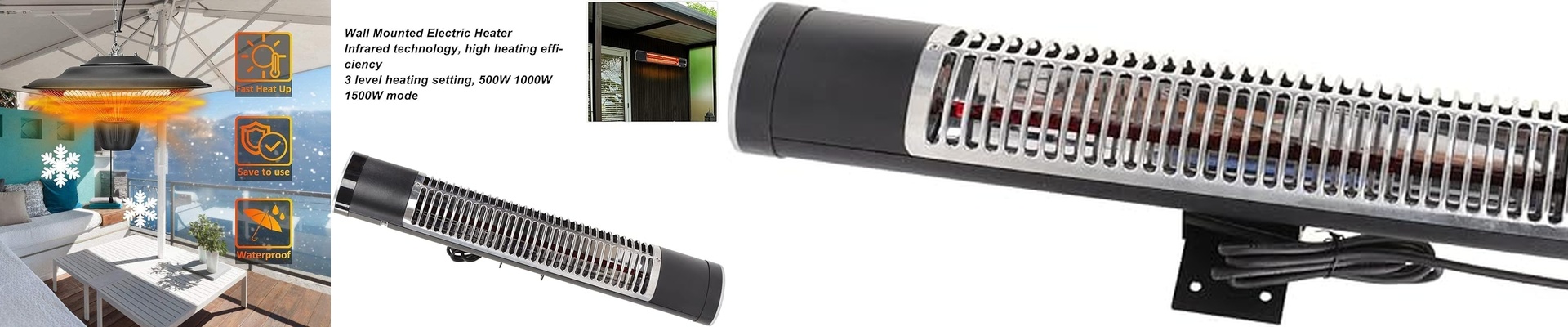
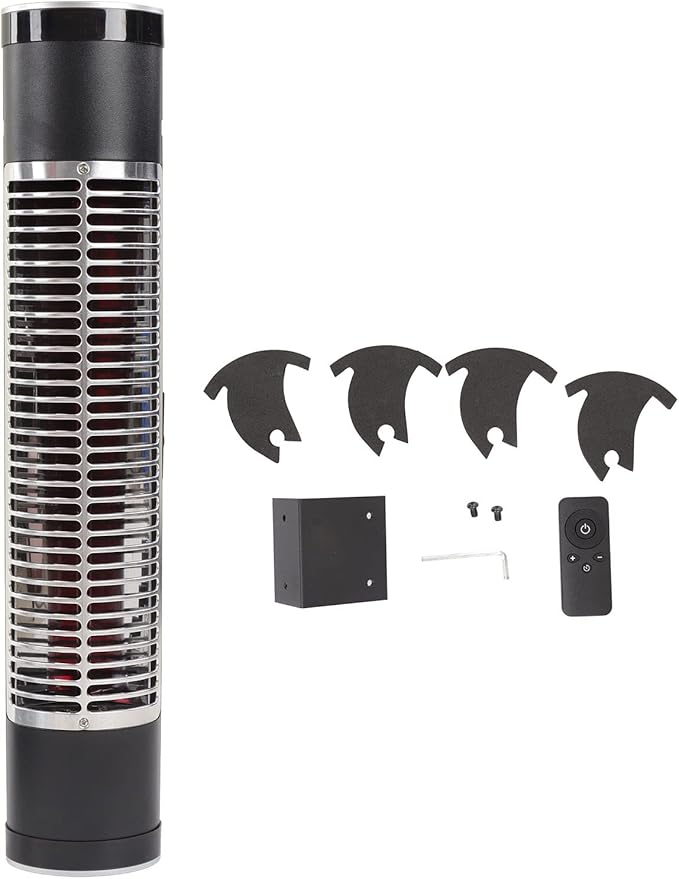
Infrared dorm heaters run on radiant heat, not convection. Inside, a quartz tube or a carbon fiber element heats up quickly and throws off infrared energy that travels outward, warming exposed skin and nearby objects. The payoff is heat you feel on contact, not just a number on a thermometer. Many compact units plug into standard 120V outlets, draw between 400W and 1500W, and sit low on a desk or floor. They’re built to deliver a steady, soft output that doesn’t blast air, so the room feels quieter and less dry.
Why it works in a dorm
Cold hands and feet are often about microcirculation. When surface temperature drops, blood vessels narrow to conserve heat, and circulation to the extremities slows. Radiant infrared heats the skin surface and the tissue just below, encouraging local vasodilation and helping blood flow improve. That warmth can relax muscles, ease stiffness, and keep you comfortable while you read, type, or rest. Because the heat is directional, you can place the heater where you sit—no need to heat the whole room just to warm your fingers.
The practical details
Infrared heaters are straightforward, but they need space. Keep the unit at least three feet from bedding, curtains, and paper, and choose a model with tip-over protection and overheat protection. They warm what they can see, so anything in shadow stays cooler. For best results, position the heater to your side or slightly in front, and pair it with a small fan if you want air movement without a draft. Always stay within the wattage limits of your dorm circuit, and avoid extension cords when you can.