Getting Your Pizza Oven Back Up to Speed: A Guide to Quartz Replacements
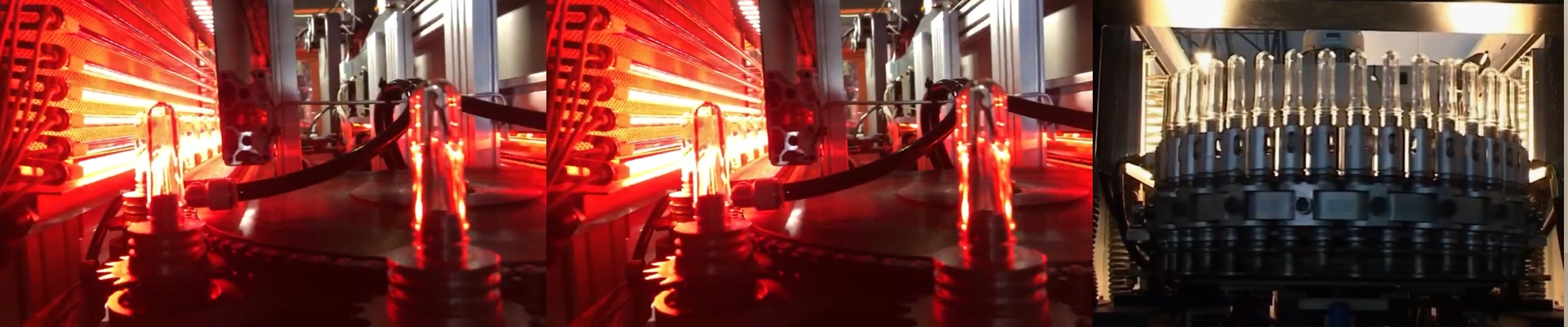
Let’s be honest: buying original OEM heating tubes for those imported pizza ovens is a total rip-off. The price tags are wild. You can definitely find cheaper alternatives that get the job done, but you can’t just grab the first thing you see on a listing. If you get the specs wrong, you’re not just losing money—you’re risking a fried circuit or a melted oven. Get the power right Here is the thing about wattage and voltage. It’s a balancing act. If you put in a low-wattage tube, your oven will struggle. You’ll end up with a soggy crust that just won’t sear, no matter how long you leave it in. But if you go too high? You’re looking at blown fuses or worse. Check the stamping on your old tube. Be careful here. I see people treat 220V and 230V as the same thing all the time. They aren’t. That tiny difference might not seem like much, but it eats away at the filament and kills the tube way faster than it should. The nitty-gritty on quartz and fits These tubes use high-purity quartz glass because they have to survive those brutal temperature swings. There’s halogen gas inside that keeps the filament from evaporating too quickly, which is why the heat stays steady over the long haul. But the real headache is usually the connectors. Whether you’ve got the standard R7s or some weird proprietary slide-in fit, it has to be a snug fit. A loose connection creates a little electrical arc. It pits the metal, sparks, and eventually just fails. If you see a coated tube, that’s just there to help the heat penetrate the dough faster. Is the “cheap” option actually cheaper? Look, the budget tubes work. But they often use lower-grade quartz. They can’t take a beating as well as the expensive ones. You’ll get your heat, sure, but you might find yourself replacing them every six months instead of once a year. It’s a trade-off. One last tip: keep your reflectors clean. If they’re covered in grease and soot, the tube has to work twice as hard to keep the oven hot. That’s the fastest way to burn through a brand-new filament.