Introduction
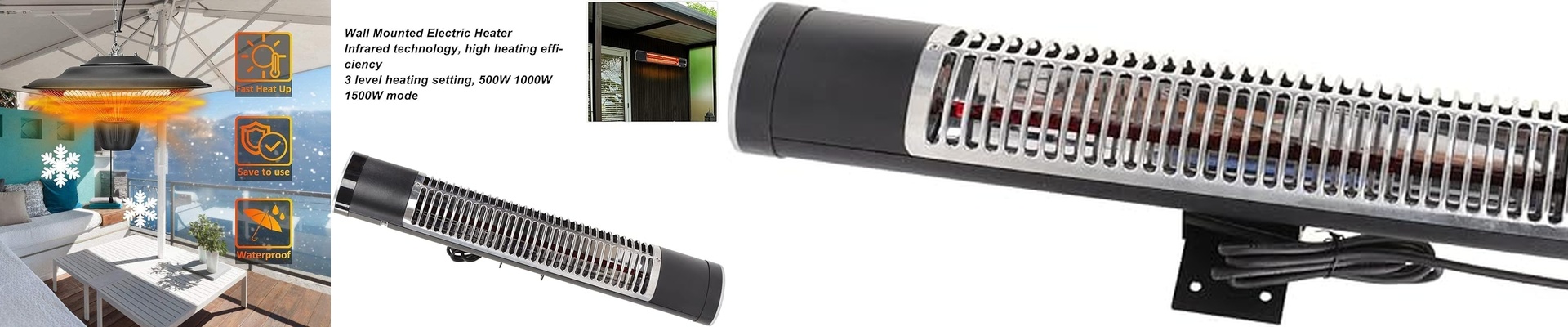
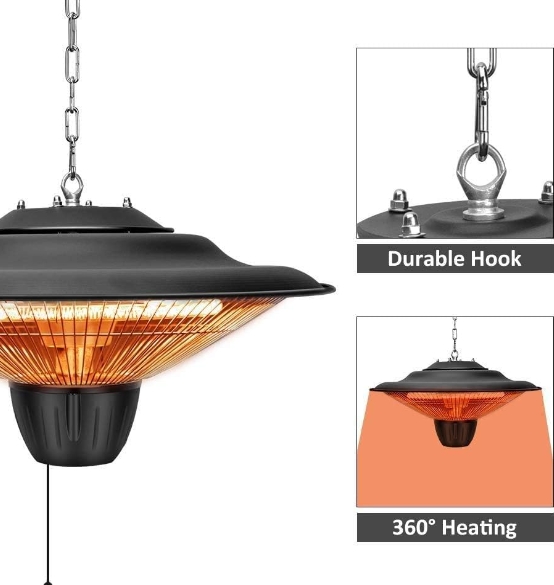
We built this infrared towel rail heater for one simple reason: to make winter a non-issue for businesses with outdoor seating. Because let’s be honest—when the air turns cold, customers vanish. This heater goes right after that problem. It doesn’t waste energy warming the air. It sends heat directly to people and surfaces. So comfort hits instantly, and you can keep those outdoor tables full, even when the temperature drops.
The Power Behind the Warmth
We packed these heaters with serious infrared output so a single unit covers a lot of ground. The standard model runs at 2500W—enough raw heat to cut right through wind and keep a comfortable zone. We also offer a 400V option, which is perfect for commercial setups. That higher voltage means less current draw, so you can run several heaters on the same circuit without pushing your wiring past its limit. And the tube? Just 300mm long. Compact enough to squeeze into tight spots, but strong enough to throw a focused beam of radiant heat where you need it.
What’s Inside, and Why It Matters
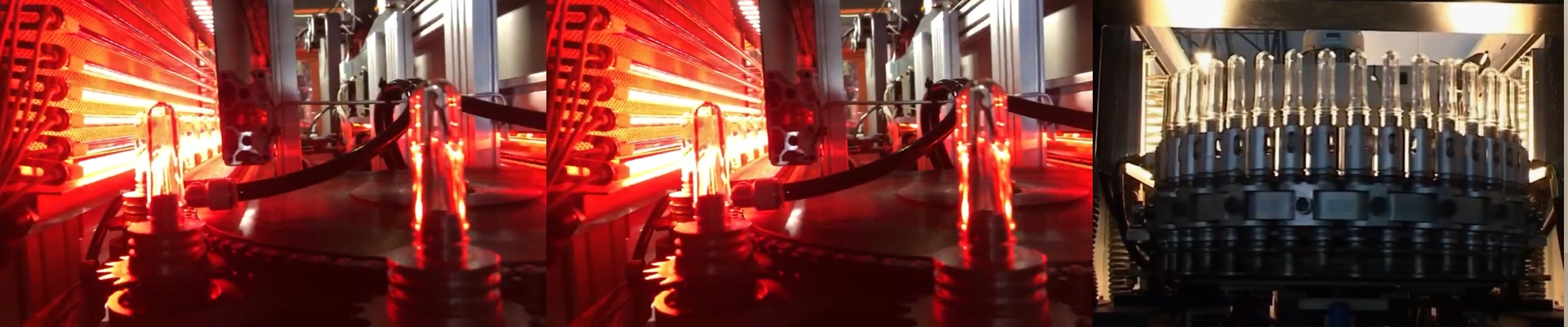
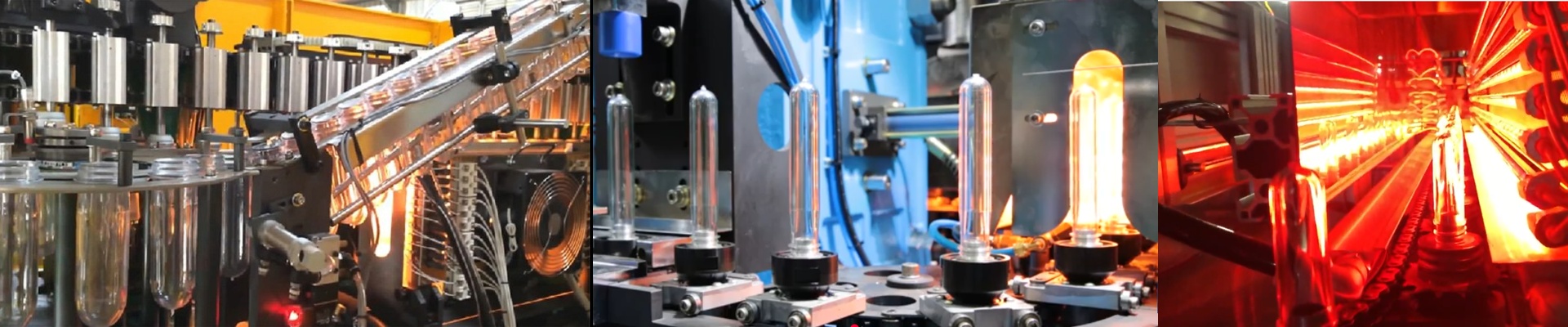
The heating element lives inside a halogen-filled quartz tube. That design keeps output steady, even when you’re switching the unit on and off a lot. It handles the thermal shock without blinking. The tube also has a special coating. It protects the element and boosts infrared output, so the heat stays consistent. Then there’s the connector—an R7s, double-ended pin style. It locks in securely, wires up easily, and holds steady even when things get a little shaky, which is common in busy commercial spaces. Installation? Seriously straightforward. It’s a drop-in replacement.
Real-World Use: Warm Guests, More Revenue
Picture an open-air restaurant on a cold evening. The kind where the chill chases people away before they even sit down. This heater changes that. It creates a warm pocket that makes guests comfortable—so they stay, order more, and keep your tables turning. And the heat comes on instantly. No waiting around. That said, packing 2500W into a 300mm tube means you’re dealing with serious heat density. So you’ll want to make sure the mounting area has enough clearance, and that your electrical setup is properly sized for the load. It’s a small step, but it’s what makes the high output possible—and what keeps your outdoor space profitable all winter long.