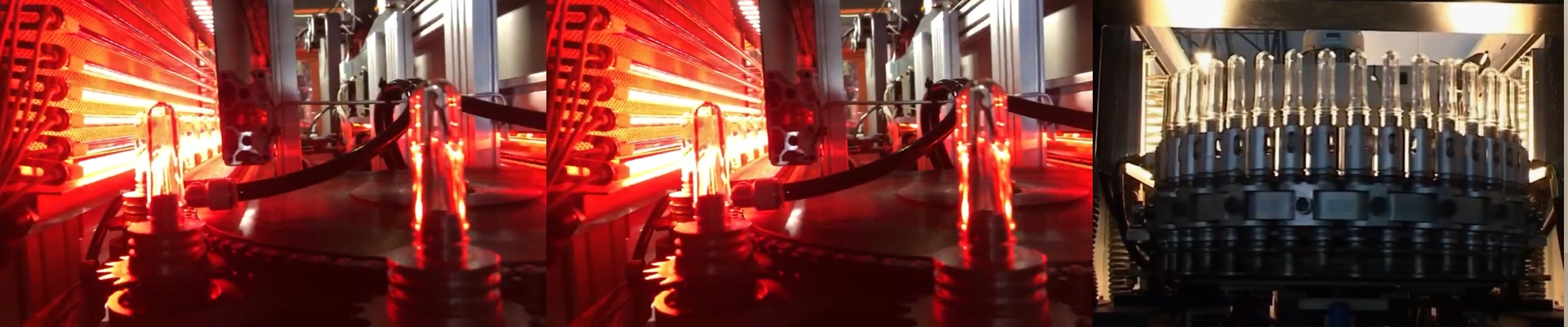
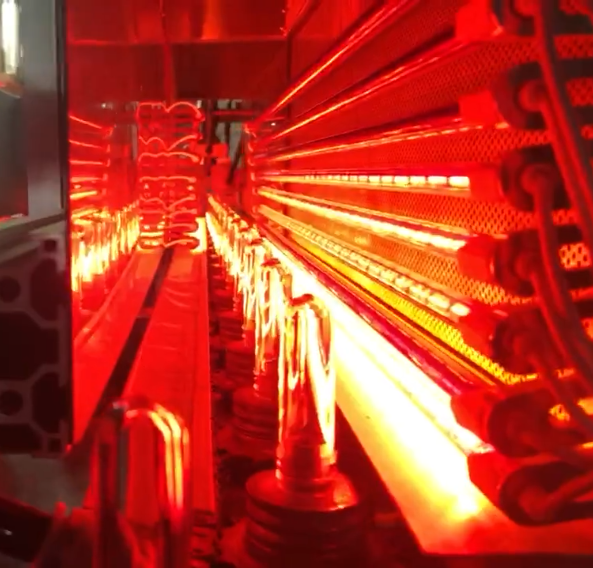
Getting Your Heating Right for Husky HyPET and Sidel PET Blowing
If you’ve ever tried to swap out a heater element just because the wattage matched, you know it rarely goes that smoothly. It’s not just about the power. It’s about the fit. We spend our time obsessing over the physical and electrical footprint of every element. Why? Because nobody wants to spend their afternoon modifying an oven chassis just to get a replacement part to fit.
Moving from SBO to Matrix
Switching from the old-school SBO systems to the newer Matrix series changes a lot about how heat actually moves. We map out every single dimension and terminal position from the original OEM parts. It sounds tedious, but it matters. If a lamp is off by even two millimeters, it won’t sit right in the reflector. That puts stress on the quartz glass, creates weird heating zones, or—worst case—burns out the lamp way too early because the infrared reflection is bouncing the wrong way. It should just slide in. No forcing it.
The Nitty-Gritty: Thermal Load
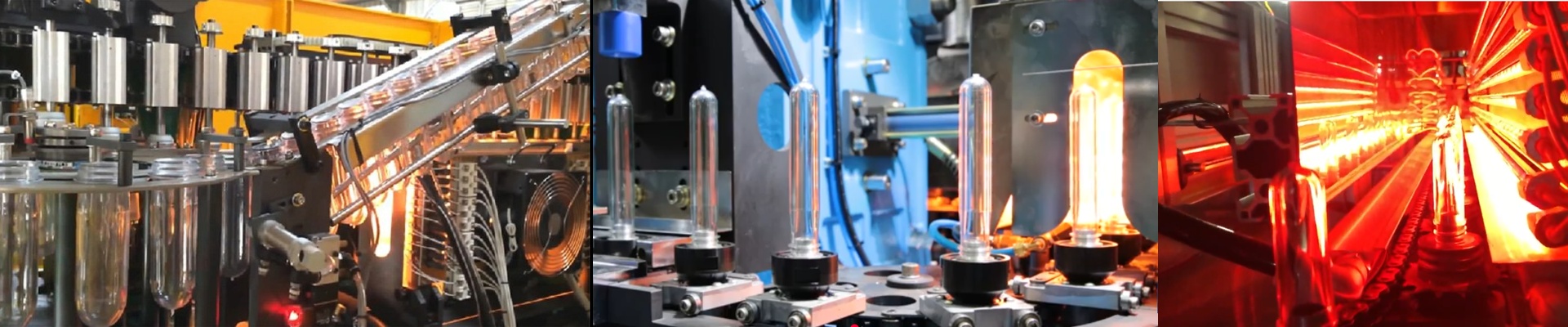
Industrial PET blowing is brutal on equipment. These elements have to handle massive voltage without breaking a sweat. We focus heavily on watt-density. If you get this wrong, you get “hot spots” on your preforms, and that’s a nightmare for quality control. Now, high-output lamps are great for penetrating the PET wall, but they pull a lot of current. Just a heads-up: check your wiring and contactors. If they aren’t rated for that peak current, you’re looking at melted terminals. Not a fun way to spend a Tuesday.
Real-World Performance
We built these to be “no-damage” installs. Since we mirror the OEM footprints for both Husky HyPET and Sidel, you can ditch the custom brackets and the sketchy wiring hacks. We also use specific coatings on the quartz glass to make sure the infrared wavelength is tuned exactly for PET absorption. It just works better. But here is the honest truth: quartz lamps take a beating in high-cycle shops. Our coatings help with heat transfer, but they aren’t magic. Your lamp’s lifespan still comes down to how clean your oven is and how the air flows. If your reflectors are covered in dust, your efficiency is going to tank, no matter how high-quality the lamp is. Keep it clean, and these things will last.