Getting Your Sidel Matrix Heaters Just Right
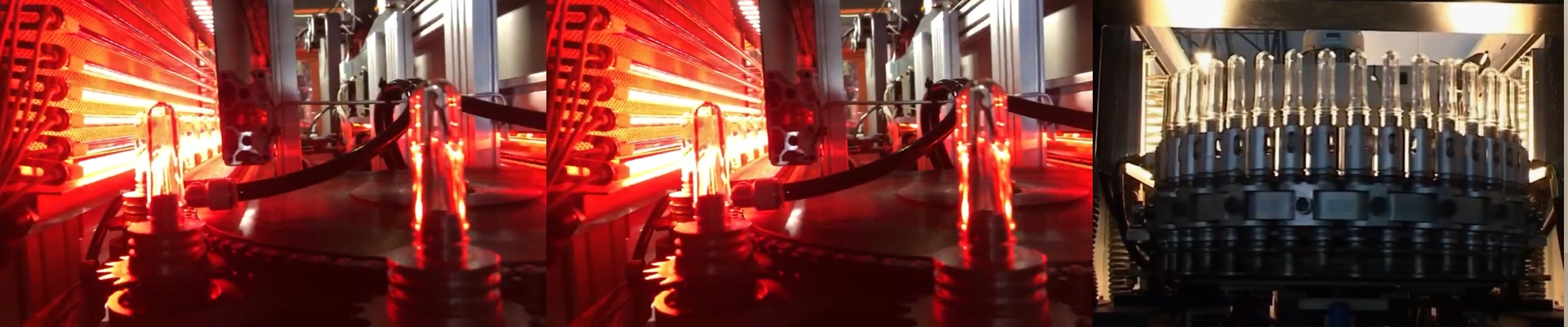
When you’re dealing with Sidel Matrix lamps, “close enough” is a recipe for disaster. If the heat distribution is off by even a few millimeters, or the IR wavelength isn’t spot on, you’ll start seeing uneven preforms. Then come the wall-thickness failures. Nobody wants to deal with a batch of wasted PET bottles.
Making Sure the Numbers Actually Match
We build our lamps to be a mirror image of the original electrical footprint. We aren’t talking about “similar” specs—we’re talking about the exact same voltage, wattage, and length. Here’s why that matters: when you pop our bulbs into your oven, the PID controllers don’t notice a thing. The resistance stays the same and the power draw doesn’t budge. You don’t have to spend your afternoon recalibrating heating profiles or messing with oven settings. You just put them in and get back to work.
The Deal with Quartz and Heat
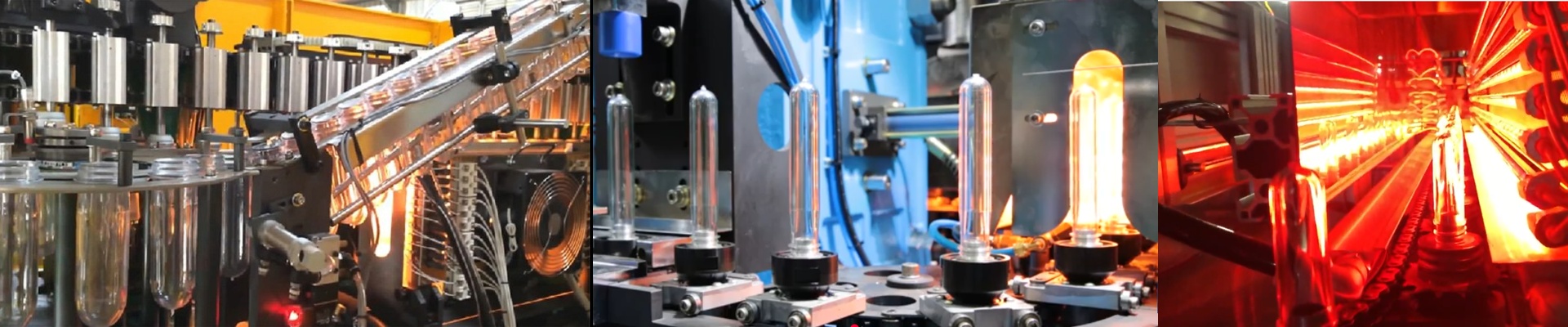
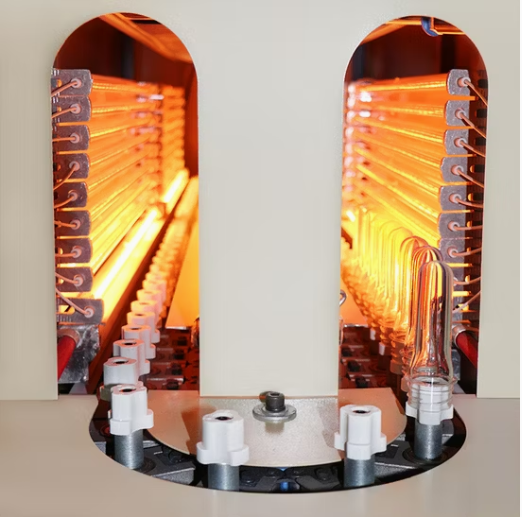
We use high-purity quartz glass because shortwave IR creates an incredible amount of thermal stress. The filaments are tuned specifically so your preforms hit that glass transition temperature fast. But there is a catch. Pushing that much wattage through a small tube creates intense, localized heat. If your oven reflectors are dirty or pitted, that heat doesn’t reach the preform. Instead, it bounces right back into the lamp housing. That’ll kill a bulb regardless of how well it’s made. Keep those reflectors polished if you want your lamps to last.
Swapping Them Out
We use standard industrial connectors, so the fit is tight. That’s important because a loose connection at the terminal causes arcing, which fries the lamp and can actually wreck your socket. Our lamps are designed for a simple snap-fit installation. You swap the bulbs, flip the power switch, and the heating curve follows the factory line perfectly. No rewiring, no modifying the frame, no headaches. Just a clean swap.