How to Actually Cook a Thick Steak Without Ruining It
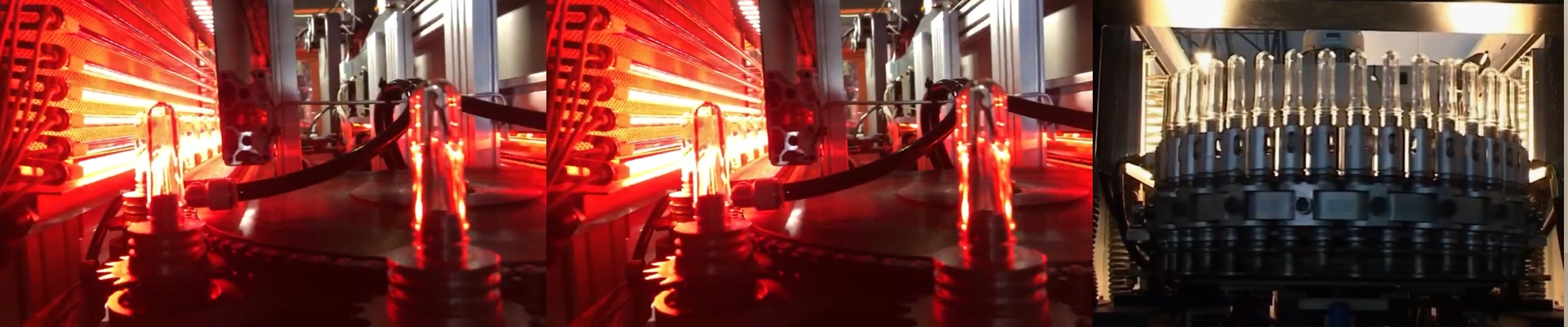
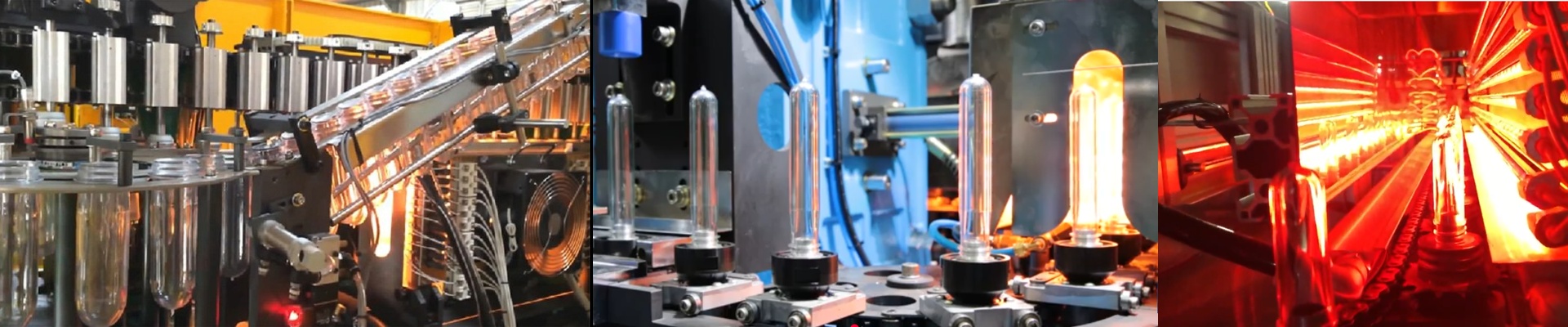
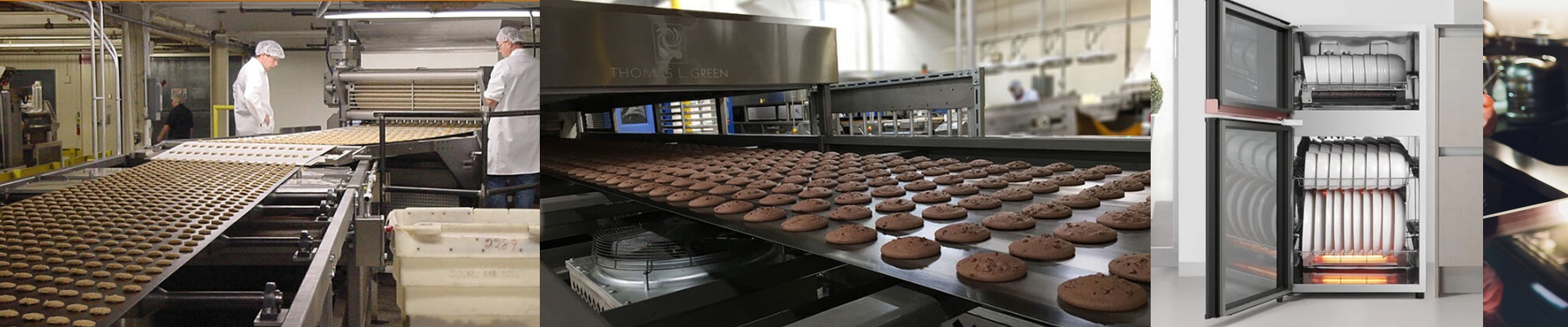
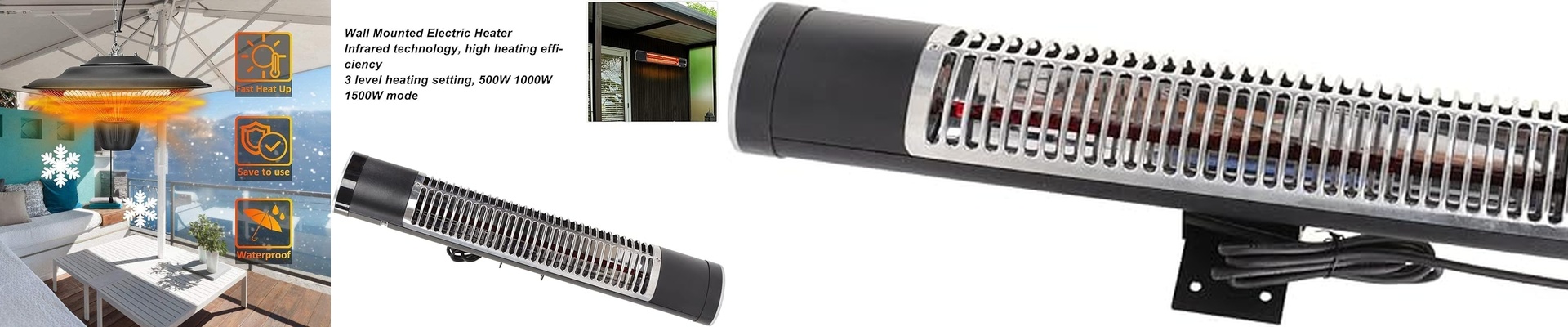
If you’ve ever tried to cook a thick cut of meat, you know the struggle. You either end up with a charred exterior and a center that’s still practically frozen, or you play it safe and end up with a grey, boiled-looking piece of protein. The problem isn’t the heat—it’s how that heat gets inside. That’s why we use clear quartz heating bulbs in our pizza ovens and grills. Most ovens rely on hot air (convection), which just bounces off the surface. But these bulbs use shortwave infrared. Think of it like a heat-ray. It doesn’t just sit on the crust; it actually sinks deep into the meat. It closes that annoying gap between the sear on the outside and the temperature at the core. The secret is in the glass. We use clear quartz because it doesn’t get in the way. It lets those IR waves fly straight through the bulb and hit the food without wasting energy. Plus, we fill them with halogen gas. That lets us crank the filament to insane temperatures without the bulb just popping. It’s an instant hit of high-density heat. But here’s the catch: this stuff is powerful. If you just leave a high-wattage quartz bulb on, you’ll torch your steak before the middle even hits 55°C. It happens fast. To keep things from going south, you need a setup that can react in real-time. We use PID controllers and fast thermocouples to keep a constant eye on things, modulating the power with an SCR. It keeps the heat steady so you don’t overshoot your target. There’s a trade-off, though. Shortwave IR is aggressive. It solves the “raw center” problem, but it puts a huge amount of stress on the equipment. You can’t just put these in any old box. Your reflectors have to be polished aluminum or stainless steel, otherwise, they’ll warp under the pressure. If the housing isn’t built for that kind of radiant load, the whole chassis just soaks up the heat. That’s how you fry your components and kill your machine. You get incredible speed, but you have to be smart about how you manage the heat surrounding the bulb.