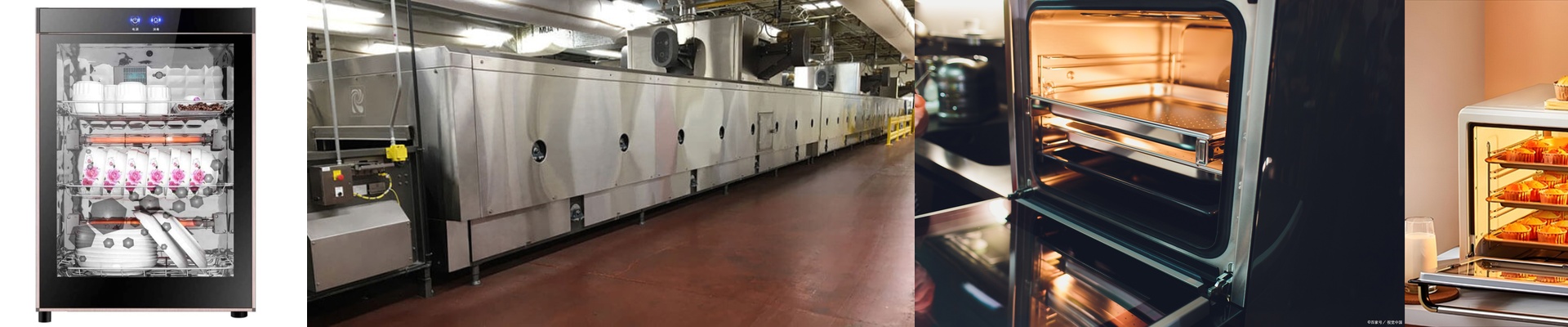
Getting Your Oven Temps Right (Without the Headache)
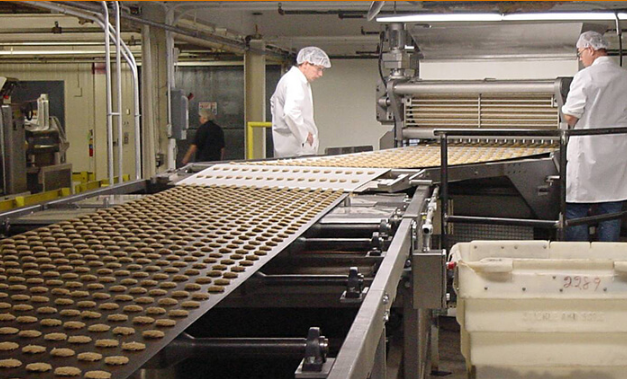
In a commercial bakery, a few degrees are the difference between a perfect golden crust and a batch of raw centers that you have to throw away. It’s frustrating. You don’t need a lamp that just blasts heat; you need one that actually listens to your settings. That’s why we build our infrared lamps to be stable. We aren’t chasing raw power—we’re chasing consistency.
Why “Fast” Matters More Than “Hot”
Most of these lamps use shortwave infrared (SWIR). We use high-purity quartz tubes because they react quickly. Here is the real benefit: when your controller tells the lamp to stop, it actually stops. Traditional heating elements tend to “overshoot,” meaning they keep pumping out heat even after you’ve hit your target. Our lamps drop their temperature almost instantly. No more guessing games. But a word of caution. You have to match the wattage and voltage to your specific setup. If you shove a high-wattage lamp into a chassis that wasn’t built for it, you’re going to get hot spots. And hot spots mean burnt bread. Make sure your lamp’s power density plays nice with your oven’s airflow.
The Nitty-Gritty Stuff
We fill our quartz tubes with halogen. It sounds technical, but all it really does is make the filament last longer and keep the heat sharp. We use R7s or SK15 connectors. They aren’t just there to make installation easy. They create a tight, low-resistance connection. If your connection is loose, you get arcing, and your sockets will fry way sooner than they should. Also, we treat the quartz so it can handle thermal shock. These lamps take a beating with constant rapid cycling, and this treatment keeps them from cracking under pressure.
The Honest Truth About Your Setup
Here is the thing: even the fanciest lamp in the world can’t fix a bad sensor. If you’re using a lagging PID controller or cheap relays, you’re fighting a losing battle. And check your thermocouples. If they’re sitting too far away from the heat zone, your data is lying to you. You’ve got to put your sensors exactly where the product hits the heat. That’s the only way to actually see the precision these lamps are capable of.