Getting Your Heat Just Right with Rapid IR Drying
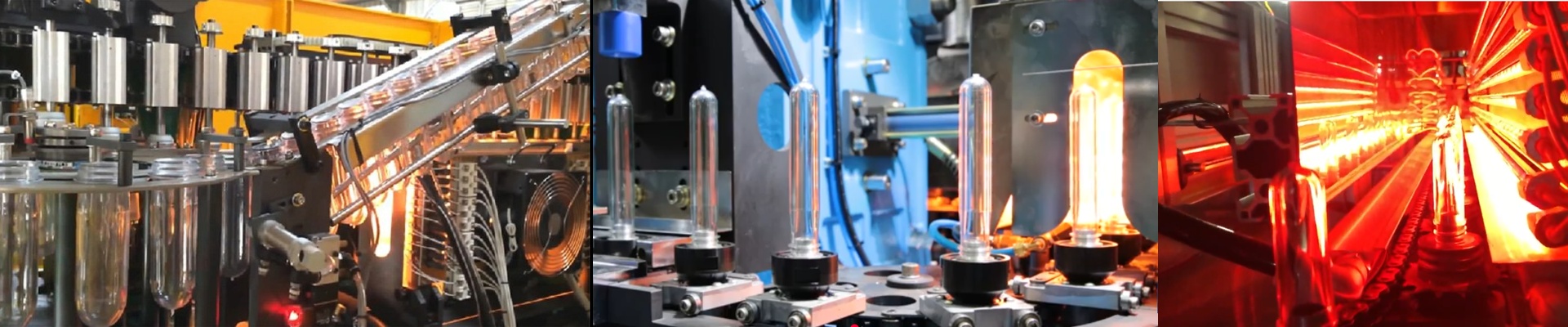
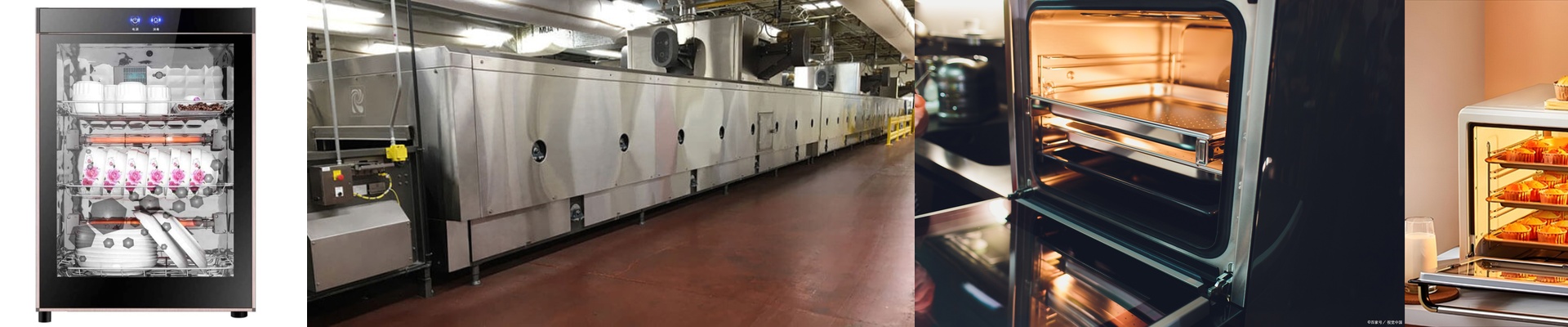
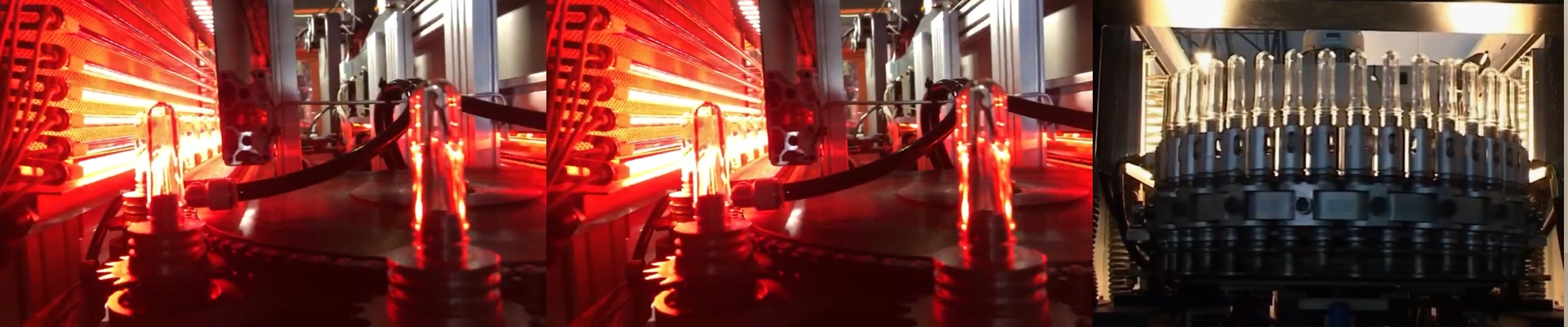
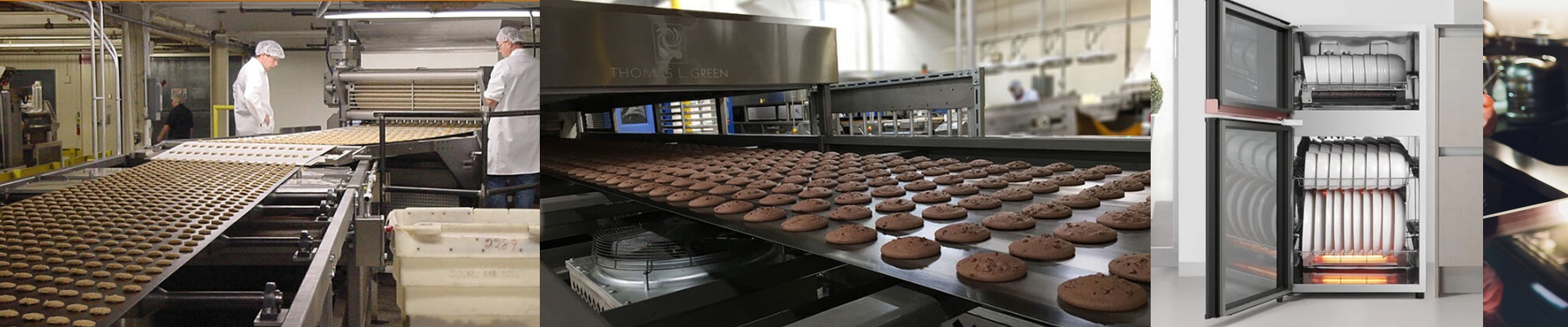
Whether you’re browning bread or drying off tableware, a single degree of difference is a big deal. Think about it. For a baker, that one degree is the line between a perfect golden crust and a burnt mess. For ceramics, it’s the difference between a clean, dry finish and a cracked glaze. It’s a tight window, and you have to hit it every single time. The secret to the heat We go with short-wave infrared emitters because they’re fast. Really fast. Instead of heating up the air and hoping for the best, IR energy hits the surface of your product directly. But here’s the thing: you can’t just plug these in and let them rip. If you run them at full blast without a way to modulate the power, you’ll torch everything. That’s why we pair the lamps with a PID controller and a high-speed thermocouple. It keeps things steady and stops the temperature from spiking out of control. The gear that makes it work Most of our lamps are made from high-purity quartz glass. We use this because it can handle the shock of being flipped on and off all day without snapping. We also use specific coatings on the filaments. This ensures the heat actually sinks into the bread or the plate rather than just warming up the room. One quick tip on the hardware: pay attention to your connectors. Whether you’re using a standard R7s or a slide-in fit, make sure the contact is tight. If it’s loose, you’ll get these nasty little hotspots that can melt your socket or kill the lamp way too early. The trade-off you need to know about High-density IR lamps are great because they pack a ton of heat into a tiny space. Your throughput goes up, which is awesome. But there’s a catch. All that heat has to go somewhere. If your cabinet doesn’t have enough airflow to push out the hot air, the ambient temperature inside just keeps climbing. Once that happens, your precision goes out the window and your set-points drift. If you want it to work, you’ve got to size your cooling fans to match the total wattage of the lamps. Simple as that.