
Making Infrared Heat Safe for the People You Love
When we design infrared heaters for bathrooms or nurseries, we aren’t just thinking about warmth. We’re thinking about eyes. Specifically, the tiny, sensitive retinas of a newborn baby. The last thing you want in a nursery is a heater that glows like a stadium floodlight.
Getting the light right
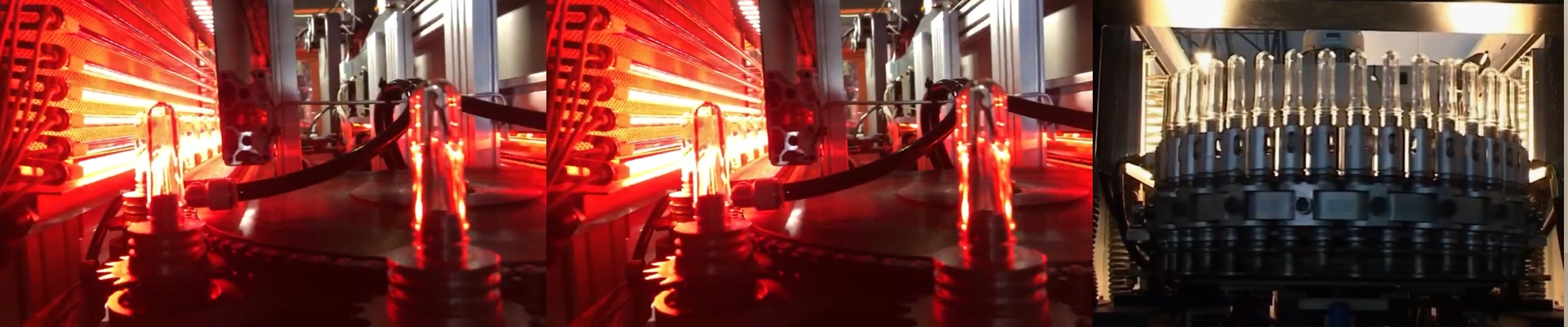
Most standard infrared lamps throw out a messy mix of wavelengths. Some of that is heat, but some of it is visible light and UV radiation. That’s where the “glare” comes from—that blinding brightness you see in industrial heaters. We don’t do that. Instead, we use special coatings on the quartz glass to filter out the visible light. We push the energy toward the long-wave spectrum. The result? You get that cozy, radiant heat that hits your skin directly, but without the blinding flash. It’s warmth you can feel, but not something that hurts to look at.
The balancing act
Safety isn’t just about filters; it’s about how the whole thing is built. We use diffused reflectors to scatter the light. This stops those dangerous “hot spots” from forming, so there’s no concentrated beam of light causing eye strain. But here is the tricky part: the physics of heat. If you cram too much power into a tiny filament, the temperature spikes and the lamp starts emitting a harsh blue light. To stop that, we spend a lot of time tweaking the filament diameter and the voltage. We keep it just right—plenty of heat, but no scary glow.
The trade-off
Now, let’s be honest. Filtering out the light comes with a price. A filtered lamp isn’t as “efficient” on paper as a clear tube. You lose a bit of that raw power, and it might take a few seconds longer to feel the heat. But in a nursery? That’s a trade we’ll make every single time. Raw power doesn’t matter if the light isn’t safe. We’d rather have a slightly slower warm-up if it means you can sleep soundly knowing your baby’s eyes are protected.