Why Your Bathroom Heater Doesn’t Just Explode
Ever wonder why your bathroom heater doesn’t shatter the second a stray drop of water hits the glass? It should, really. You’ve got a tube running at several hundred degrees, and then—bam—a cold droplet of water lands on it. That kind of sudden temperature swing creates a massive amount of stress on the material. In a normal piece of glass, that’s a recipe for a disaster. That’s why we use explosion-proof quartz. We don’t just use standard glass. We use high-purity, toughened quartz or add a specialized protective layer. It’s the only way to make sure the tube stays in one piece when things get steamy.
Getting that “Instant Heat” Feeling
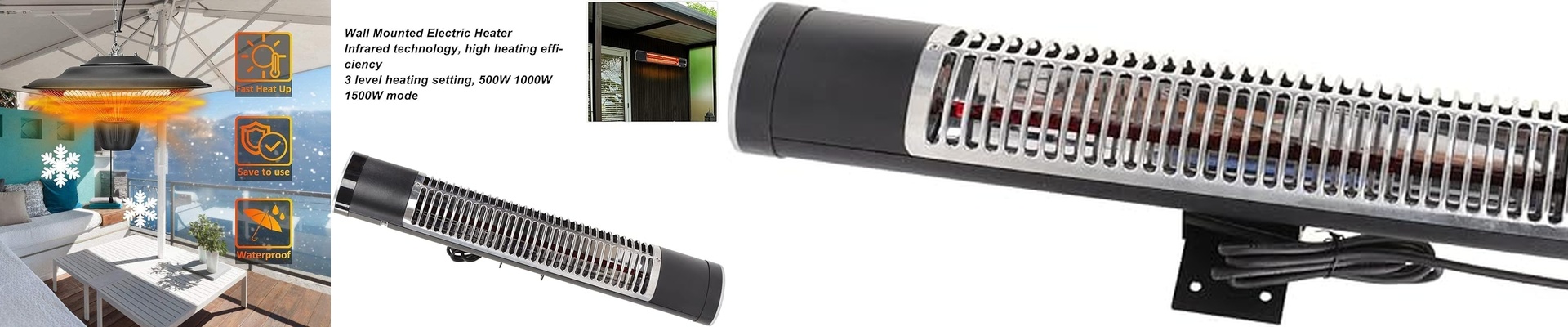
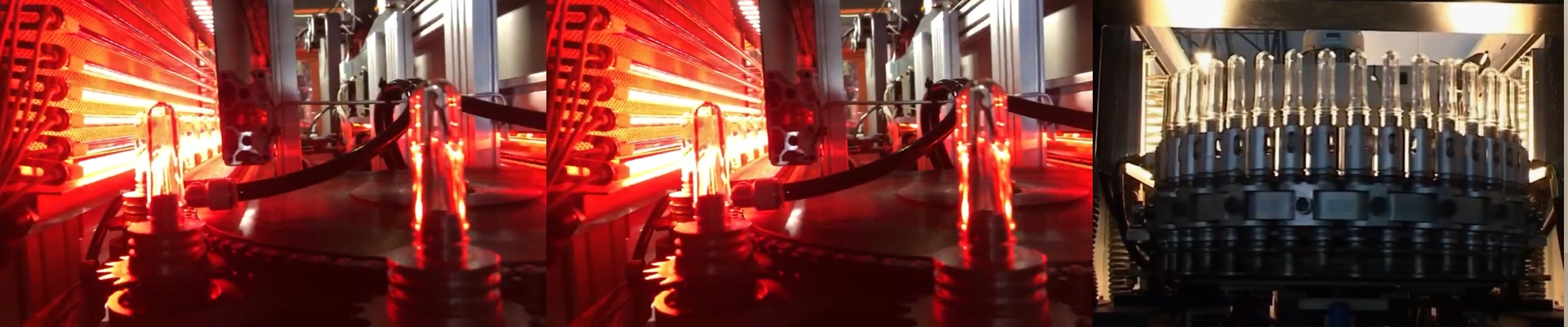
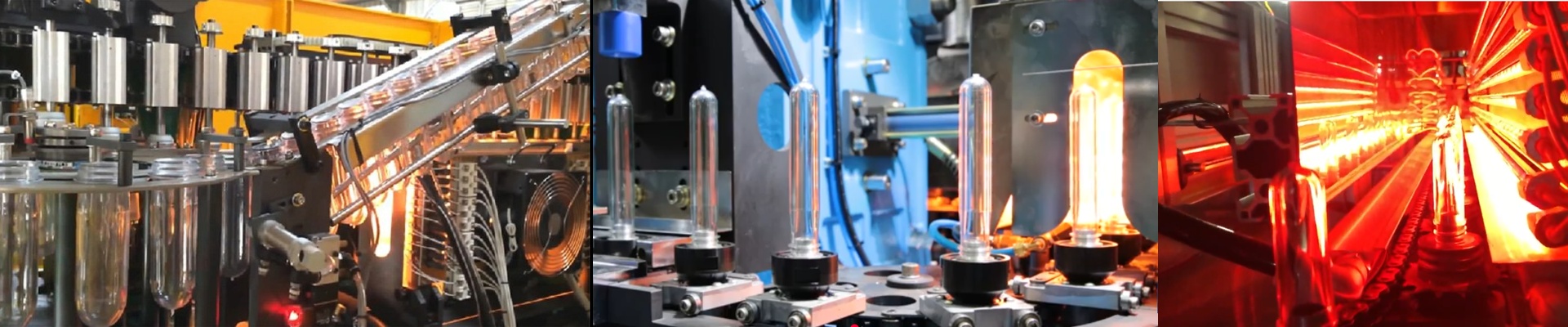
These lamps work with short-wave infrared radiation. Instead of trying to warm up all the air in the room (which takes forever), the energy shoots straight through the air and hits your skin. That’s why you feel that cozy warmth the second you flip the switch. We pack a lot of wattage into a tiny space so you aren’t standing there shivering while you wait for the room to warm up. But a quick heads-up on the hardware:**don’t cheap out on your wiring or relays.**These lamps have a huge “inrush current” when they first kick on. If you use low-grade components, they’ll fry pretty quickly. It’s just not worth the risk.
The Trade-offs and the Setup
Here is the honest truth: that explosion-proof coating comes with a tiny compromise. It can shift the infrared wavelength slightly compared to a completely clear tube. You might not even notice it, but it’s the price you pay for a product that won’t burst in your face. When you’re actually installing these, give them room to breathe. If the heat gets trapped around the base, you’ll bake the seal and kill the lamp’s lifespan. And please, use high-temp silicone gaskets to keep moisture away from the electrical terminals. If you don’t, corrosion will eat your contacts alive, and you’ll be replacing the whole thing way sooner than you should.