How to Get Your Pizza Out the Door in 90 Seconds
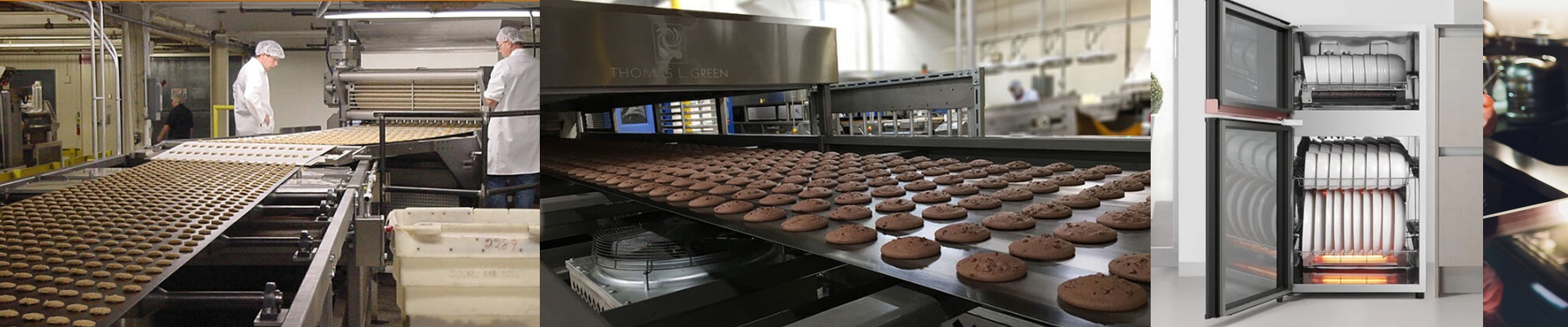
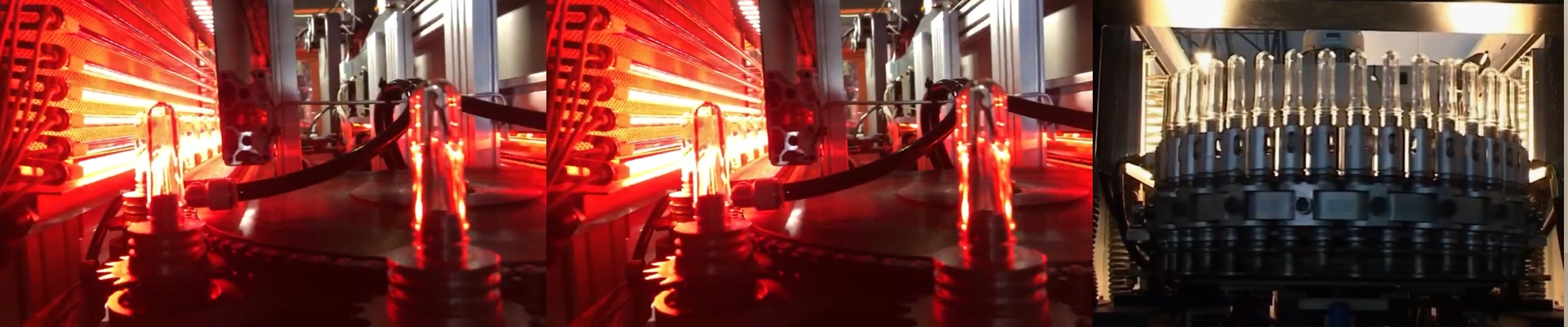
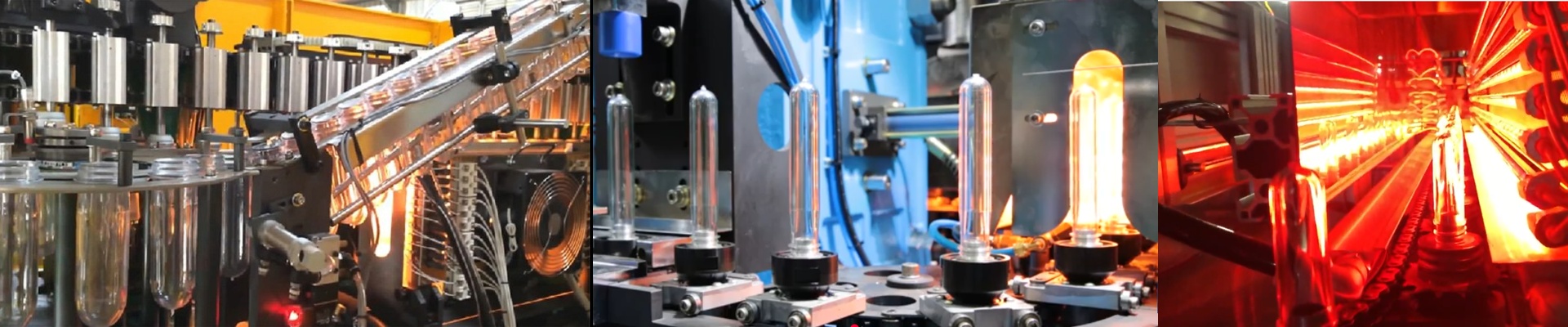
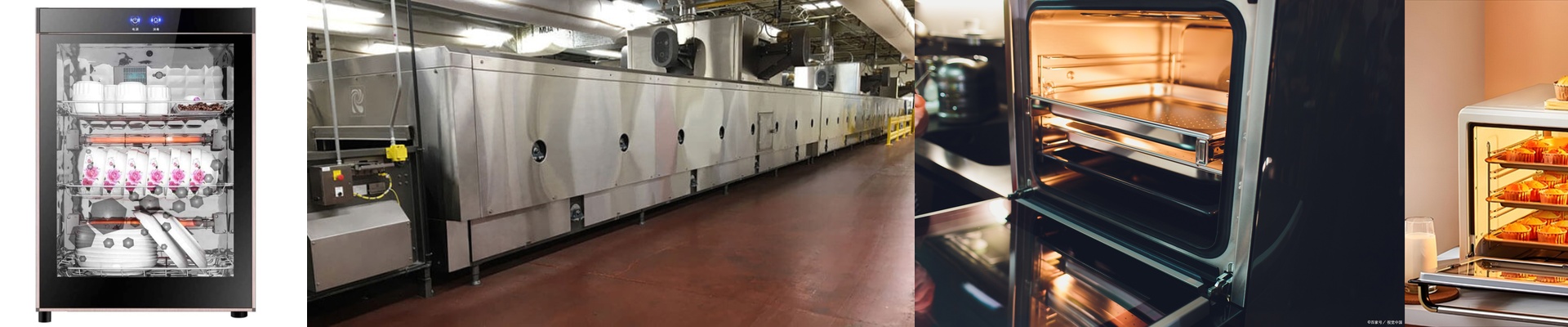
If you’ve ever worked a dinner rush in a high-volume kitchen, you know the feeling. The tickets are piling up, the customers are staring at you, and your convection oven is just… slow. It relies on blowing hot air around, which is fine for a home cook, but for a pro? It’s a bottleneck. We’ve found a way to fix this. By swapping in or adding short-wave infrared (IR) heaters, we can slash bake times from five minutes down to about 90 seconds. Why it actually works Think about it this way: convection is like trying to warm up a room with a fan. It takes forever. IR heaters don’t bother with the air. They send heat straight into the dough and cheese. It hits the surface hard and fast. You get that perfect, bubbly brown crust (the Maillard reaction, for the science nerds) without sucking all the moisture out of the bread. You get a crisp exterior and a soft center, and you get it now. The nitty-gritty on the hardware When you’re looking for a replacement lamp, don’t just grab the first one you see. You need to look at the wattage relative to the length of the tube. The shorter the tube for the amount of power it puts out, the more heat you’re hitting that pizza with. We usually stick with quartz-halogen tubes. They’re tough. The halogen cycle keeps the filament from burning out too quickly, so they can handle those peak temperatures without popping every other week. But here is where people usually mess up:the wiring. Most of these use R7s or SK15 bases. If you’re bumping up the wattage to hit that 90-second goal, you’re pulling more current. If your wires are too thin, you’re going to see a drop in power—or worse, you’ll smell melting insulation at the terminals. Check your gauge before you flip the switch. The trade-off The best part? These things are instant. No waiting an hour for the oven to pre-heat. You flip a switch, and you’re cooking. But there’s a catch. Because the heat is so intense, it’s easy to scorch the top of the pizza. If the lamp is too low or the conveyor belt is moving too slowly, you’ll have burnt pepperoni and raw dough. It takes a bit of tinkering. You have to find that sweet spot between the height of the lamp and the speed of the belt. Once you nail it, though, you’re basically a pizza-making machine.