Keeping Bathroom IR Heaters from Becoming a Hazard
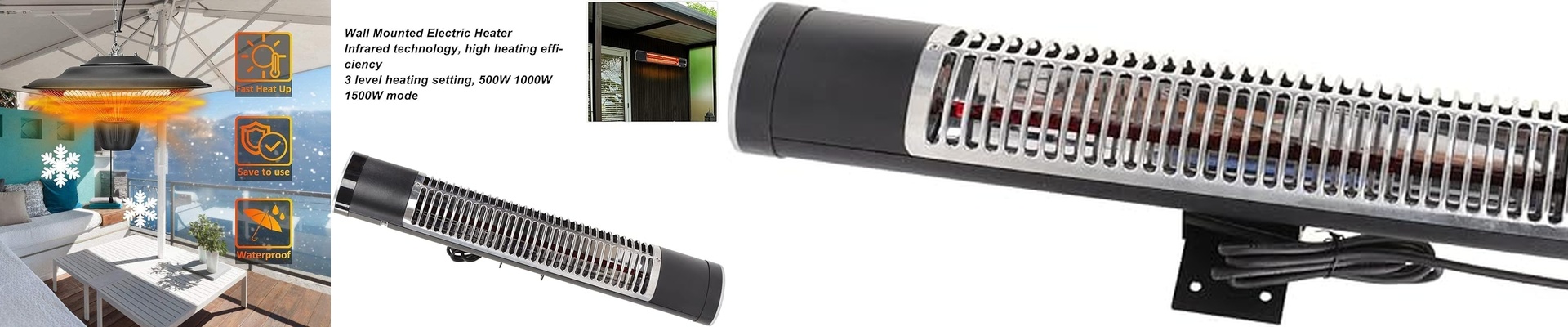
Putting infrared heating lamps in a bathroom is a bit of a gamble if you don’t do it right. You’ve got steam everywhere and water splashing left and right. To get that IP65 rating—which is basically just a fancy way of saying “waterproof enough for a shower”—you can’t just slap some plastic over the lamp and call it a day. You need a setup that keeps moisture far away from the live wires without blocking the heat from the quartz tube.
The Trick to a Tight Seal
The real nightmare is usually where the wiring enters the lamp housing. That’s where things leak. To stop that, we use high-temp silicone gaskets and compression glands to lock those entry points down tight. Here’s the thing: if steam sneaks into that junction box, it creates a path for electricity to travel where it shouldn’t. That’s how you end up with a short circuit or a ground fault. Not a great way to start your morning.
The Right Stuff for the Job
Most of these lamps use shortwave quartz tubes. To keep the electricity exactly where it belongs, we use ceramic insulators at the ends. Ceramics are great because they can take the heat without breaking down, so the current stays in the filament and doesn’t leak into the frame. Depending on the wattage, we use R7s or Sk15 connectors. But since these are going into high-humidity zones, we tuck them into a sealed enclosure. We don’t mess around with tape or basic heat shrink here. Instead, we use industrial potting compounds to completely encase the terminals. It’s a permanent, solid seal.
The Heat Trap Problem
Now, there’s a catch. When you seal a heater this tightly to keep water out, you accidentally create a heat trap. Since air can’t move, the heat builds up around the wiring. This is where people mess up. If you use standard PVC wire, the insulation will melt and burn out in a few weeks. Period. You have to use PTFE or silicone-coated wiring that can handle at least 200°C. It’s the only way to make sure the whole thing doesn’t overheat and trip the thermal cutoff.