How to speed up your baking lines without burning the product
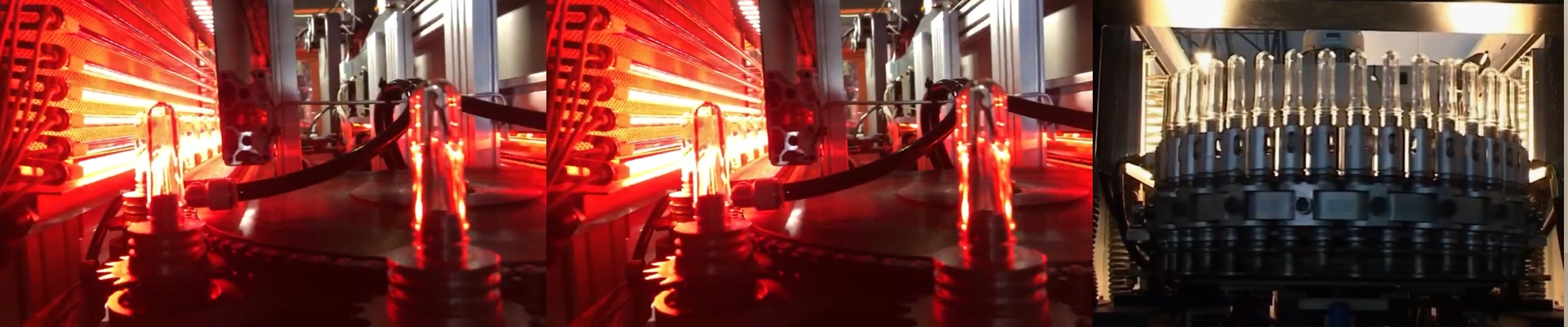
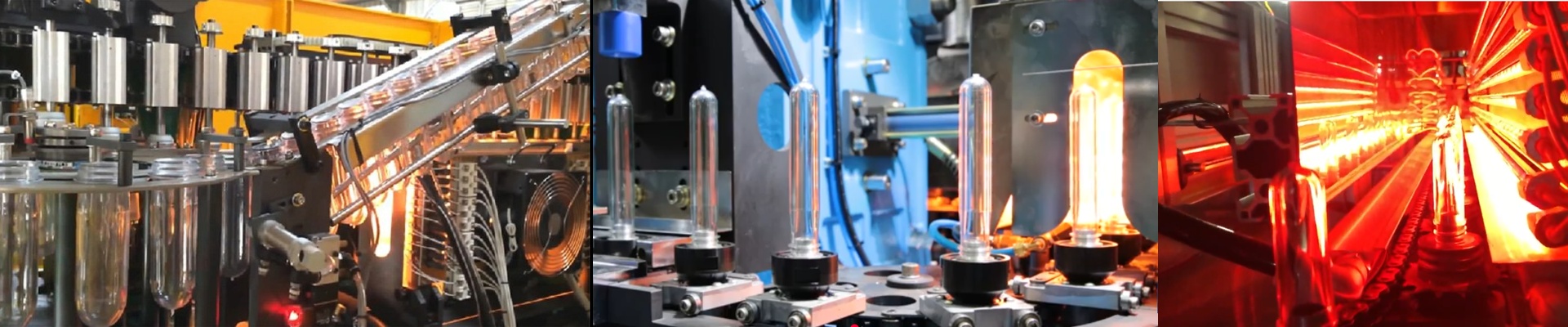
Ever feel like your convection oven has just hit a wall? You want to push more parts per minute through the line, but the air heating just can’t keep up. It’s too slow. You’re stuck waiting on the air to warm up the product, and that’s where you lose your time. To fix this, we bring in shortwave infrared (IR) lamps. Think of them as a shortcut. Instead of heating the air and hoping that heat reaches the food, these lamps hit the surface of the product directly. It’s fast. Really fast. The secret to shorter cycle times Shortwave IR is all about energy density. It doesn’t linger; it penetrates the surface quickly, which triggers a much faster thermal response. We usually tuck these lamps into the most critical spots—like the initial sear or the final cure. The best part? You can actually shrink the footprint of your oven. You get the same high-quality bake, but the product doesn’t have to travel nearly as far to get there. Getting the power right Now, you can’t just throw any lamp in there. We look at the wattage per linear millimeter to make sure it fits your speed. High-wattage tubes give you the punch you need for those fast-moving lines, but keep an eye on your electrical panel. If you’re running 400V systems, you’ll find they’re more efficient over longer lengths, which keeps your voltage drop in check. But here’s the thing: you have to find a balance. If you cram too much wattage into a small space, you create a massive heat flux. If your conveyor isn’t perfectly synced with that intensity, you’re going to scorch your product. Plus, you’ve got to make sure your cooling fans and vents can handle the ambient heat. If they can’t, you’re looking at melted wiring, and nobody wants that. Keeping things running We use standard connectors like R7s or SK15. We do this so your maintenance team can just pop a burnt-out tube out and slide a new one in. No need to rewire the whole rack or spend an hour on a simple fix. We stick with quartz glass because it handles thermal shock and lets the IR radiation through without wasting energy. One tip: keep the glass clean. It sounds simple, but grease buildup on the lens creates hot spots. That’s the fastest way to kill a tube prematurely. Just a quick wipe-down saves you a lot of headache later.