How to Crank Out Pizza Fast with Infrared Heat
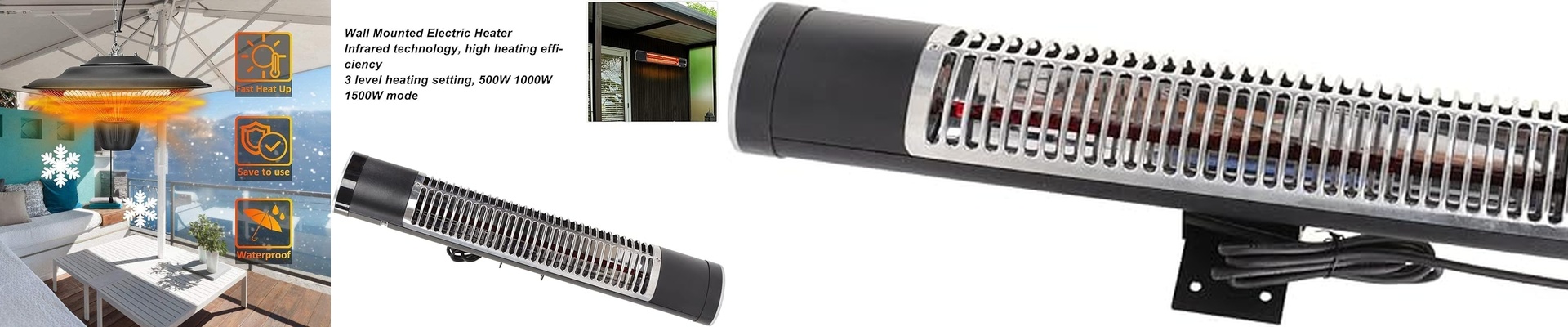
Most ovens are slow. Whether you’re using a stone slab or just heating up the air, there’s always this annoying lag. You’re basically waiting for the air to get hot, then waiting for that air to heat the pizza. It takes forever. If you want to drop your bake time from five minutes down to 90 seconds, you have to stop messing around with the air. You need to hit the dough directly. That’s where short-wave infrared (IR) lamps come in. The secret is in the heat. Unlike a regular oven, IR radiation doesn’t need a medium to move. It just hits the dough and cheese instantly. We use lamps with high wattage density to focus all that energy into a tight beam. The result? Your crust sears and your cheese bubbles almost immediately. You aren’t waiting for the whole oven to “warm up”—the heat is just there. To make this work, we use quartz-halogen tubes. Why quartz? Because these things flip on and off constantly, and quartz can handle that thermal shock without cracking. We also use special coatings on the glass. This keeps the heat from just scorching the top of the pizza and helps it sink deeper into the dough. Now, the setup is where things get picky. These lamps run on high-voltage circuits to keep the power up. You also have to be obsessive about spacing. If the lamps are too crowded, you’ll get burnt hot spots. Too far apart, and you’ll miss that 90-second window. But look, this kind of power comes with some trade-offs. IR heat is aggressive. It’s fast, but it puts a massive strain on your power supply. You’ve got to make sure your electrical panels can handle the sudden surge when these lamps kick in. And you have to be precise with your conveyor belt. Like, really precise. If the belt lags for even five seconds, you’re serving charcoal. You’ll also want a solid cooling system for the lamp housings, otherwise, you’ll burn out your sockets faster than you can slice a pie.